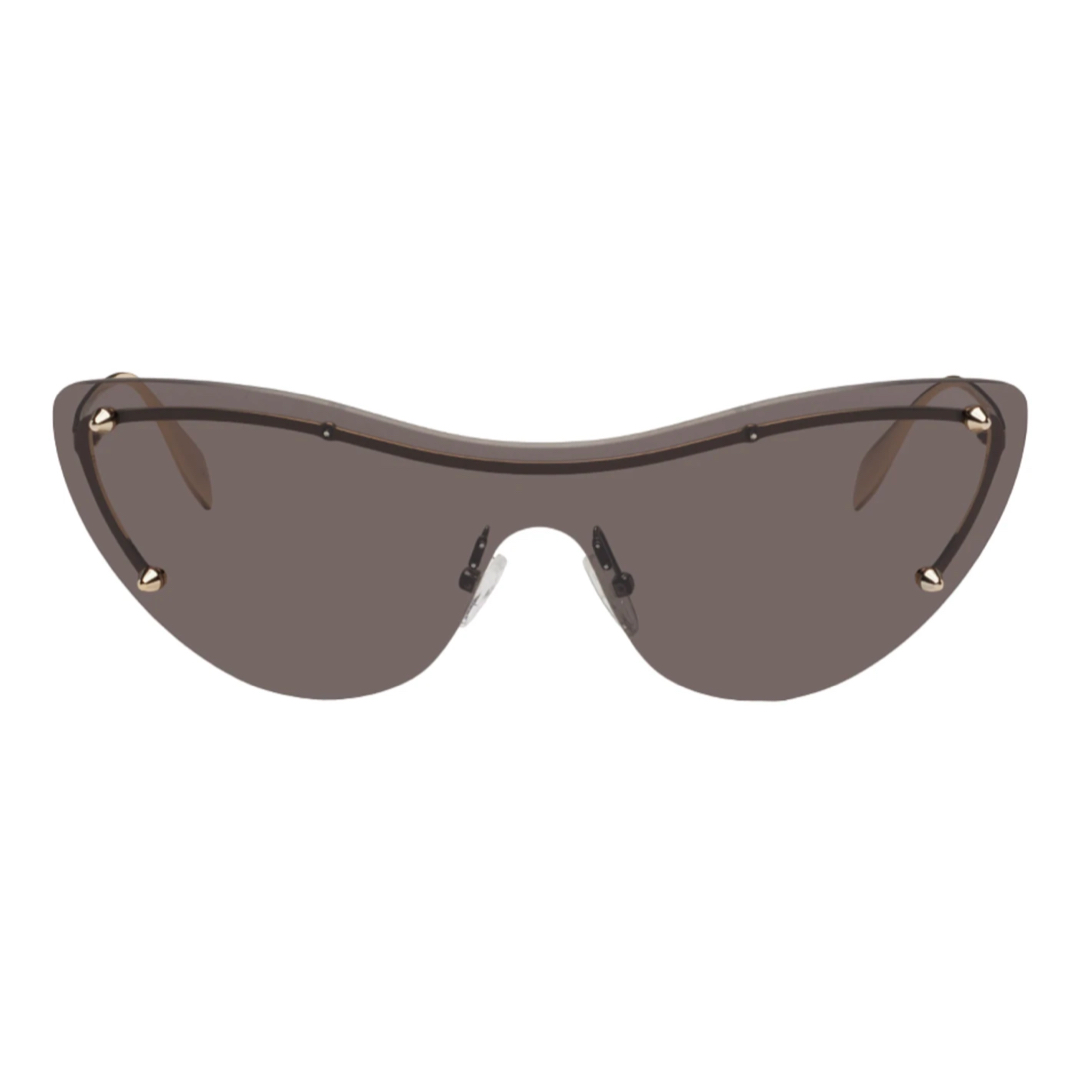
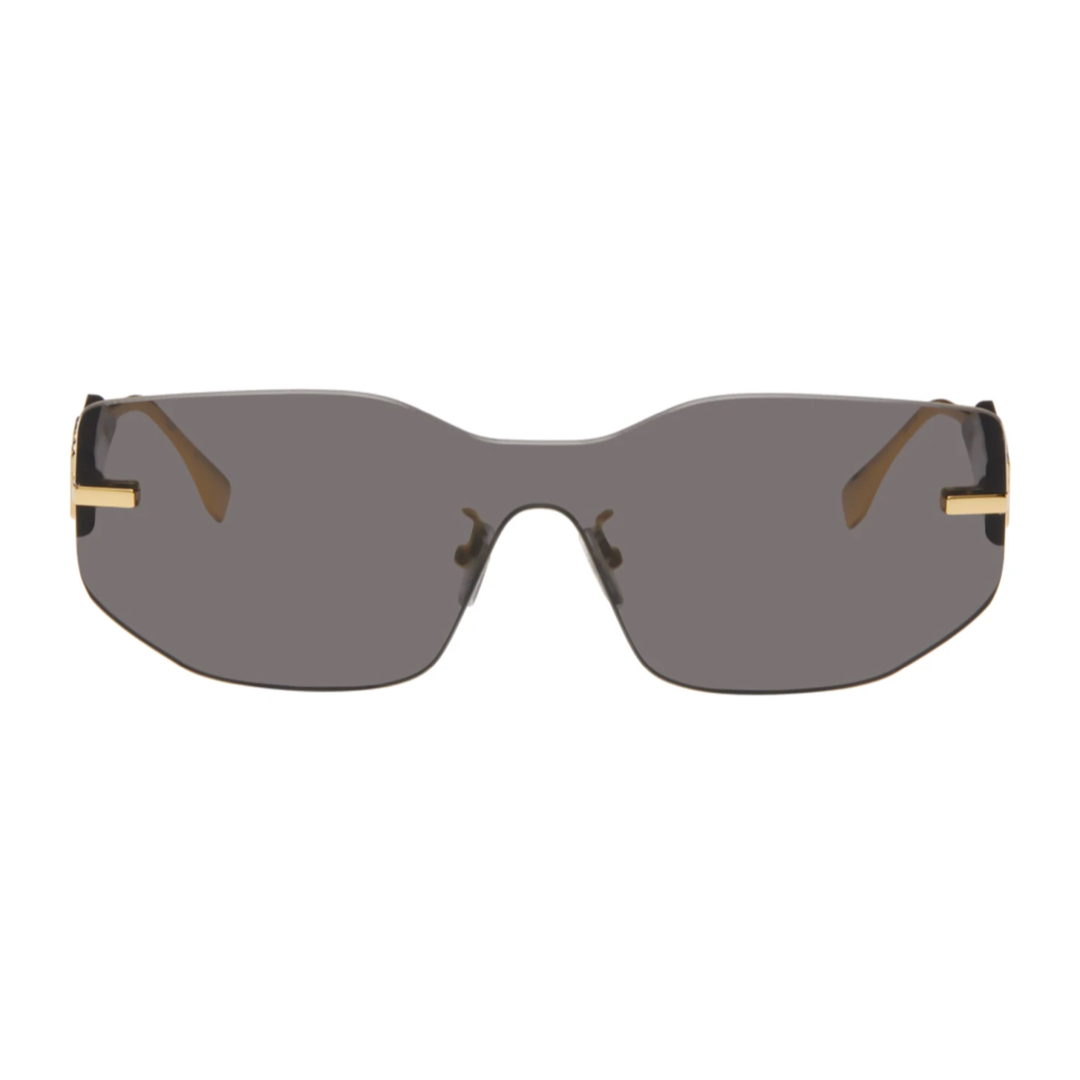
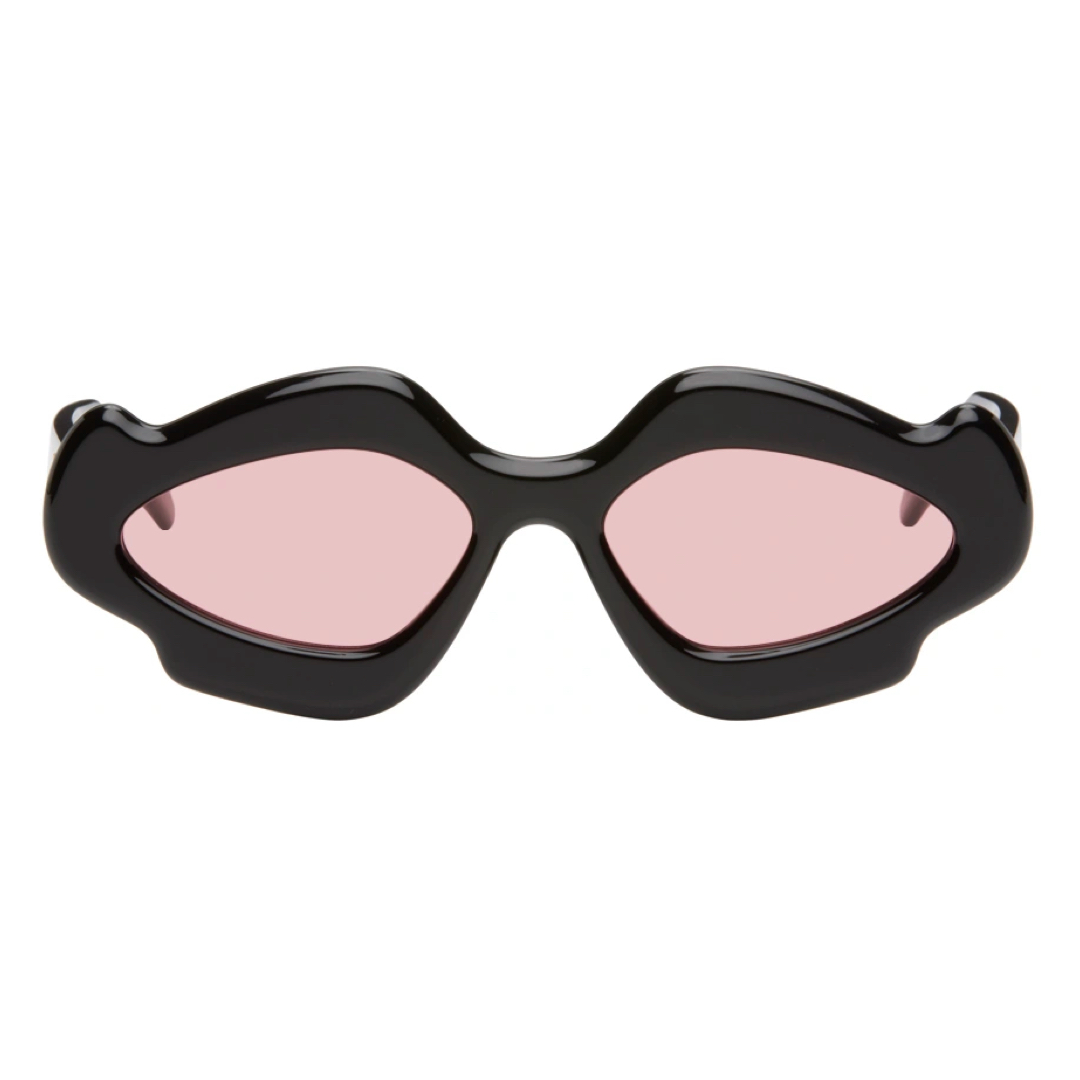
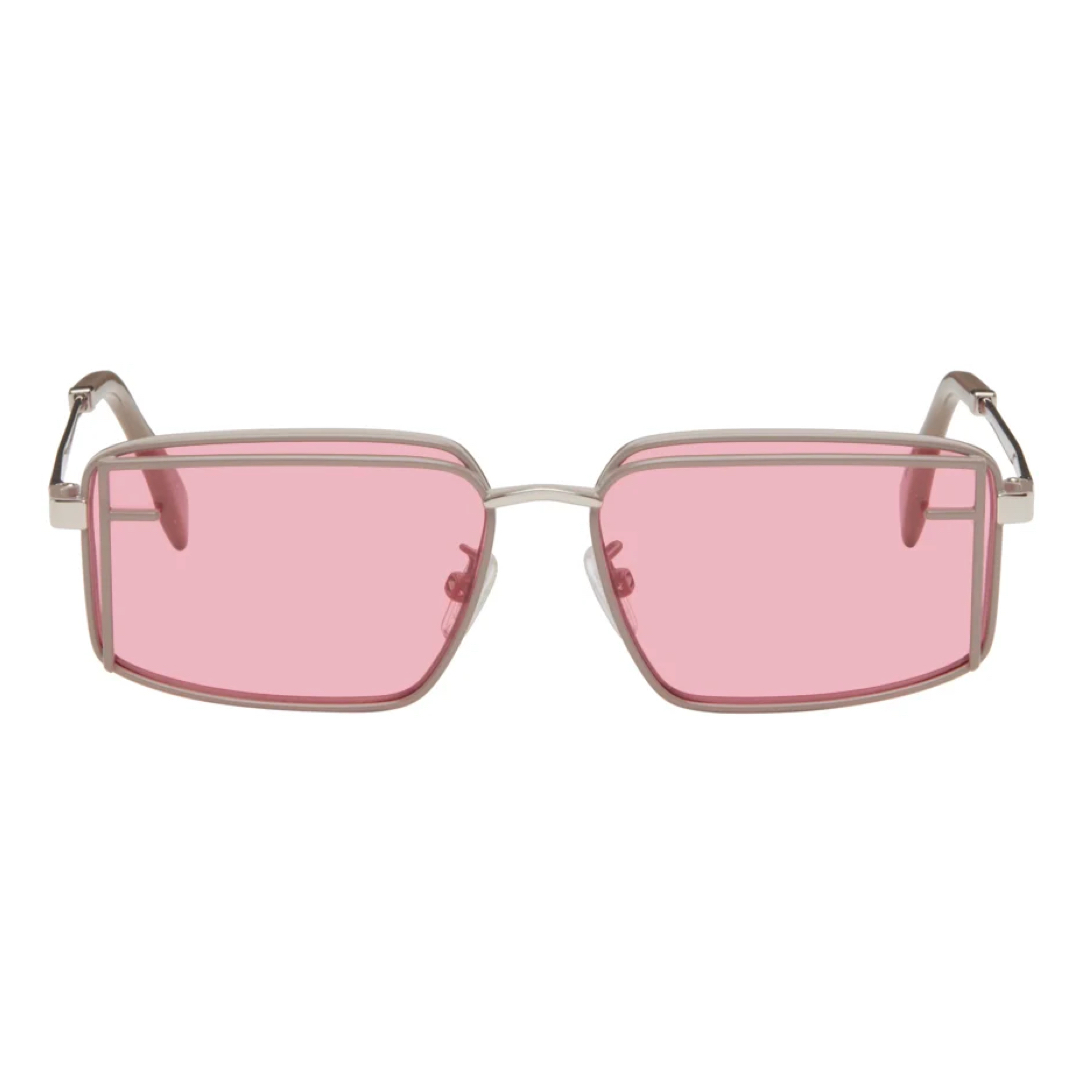
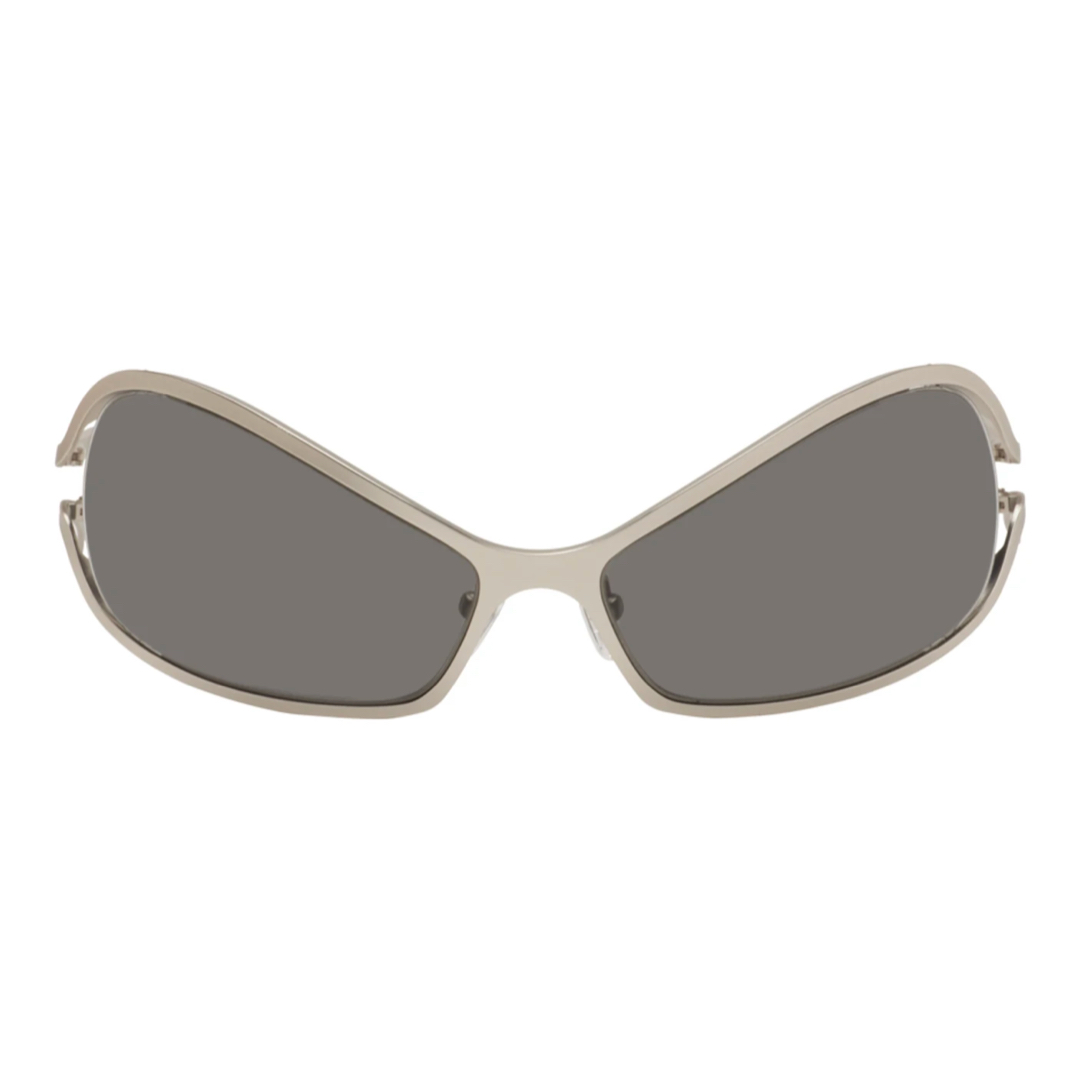
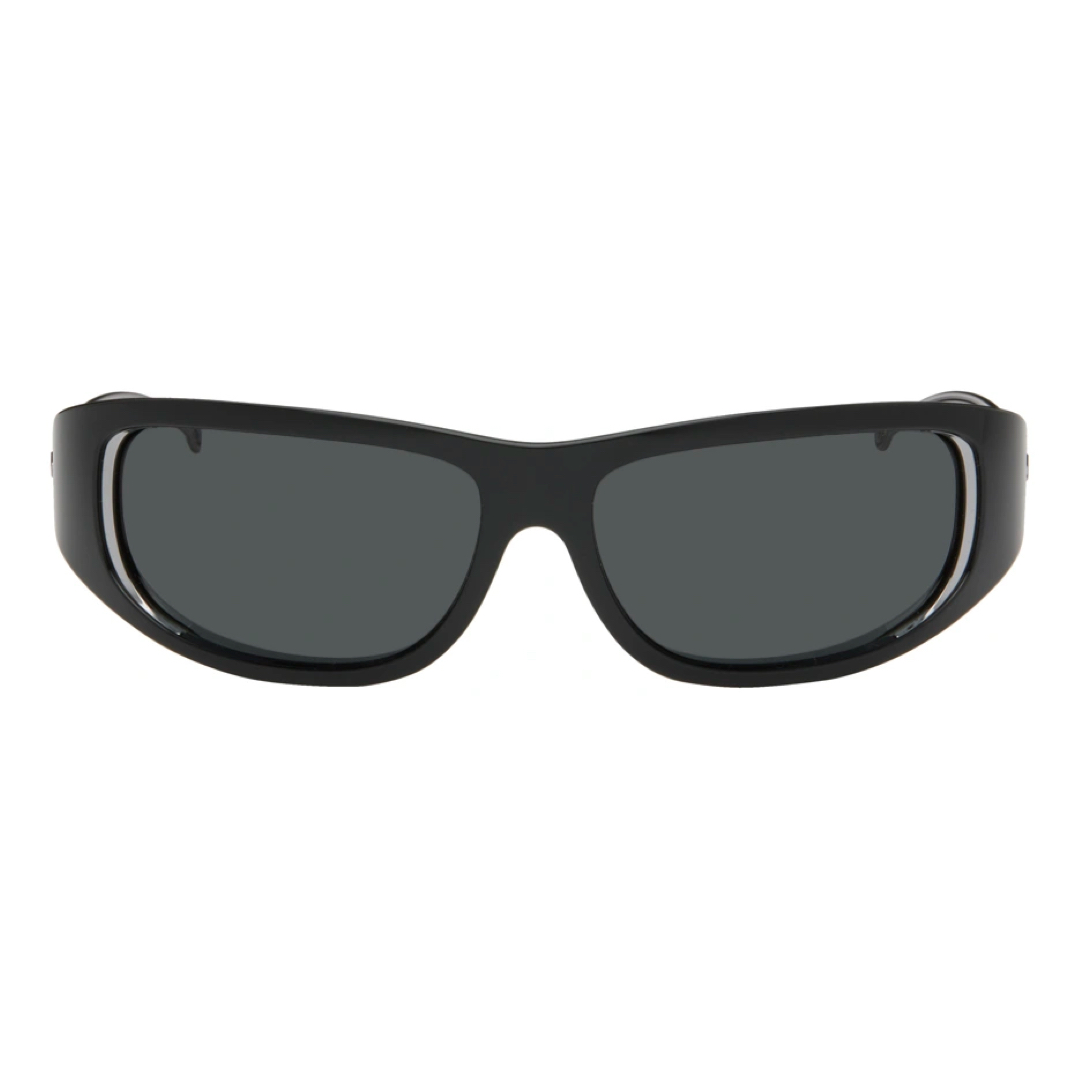
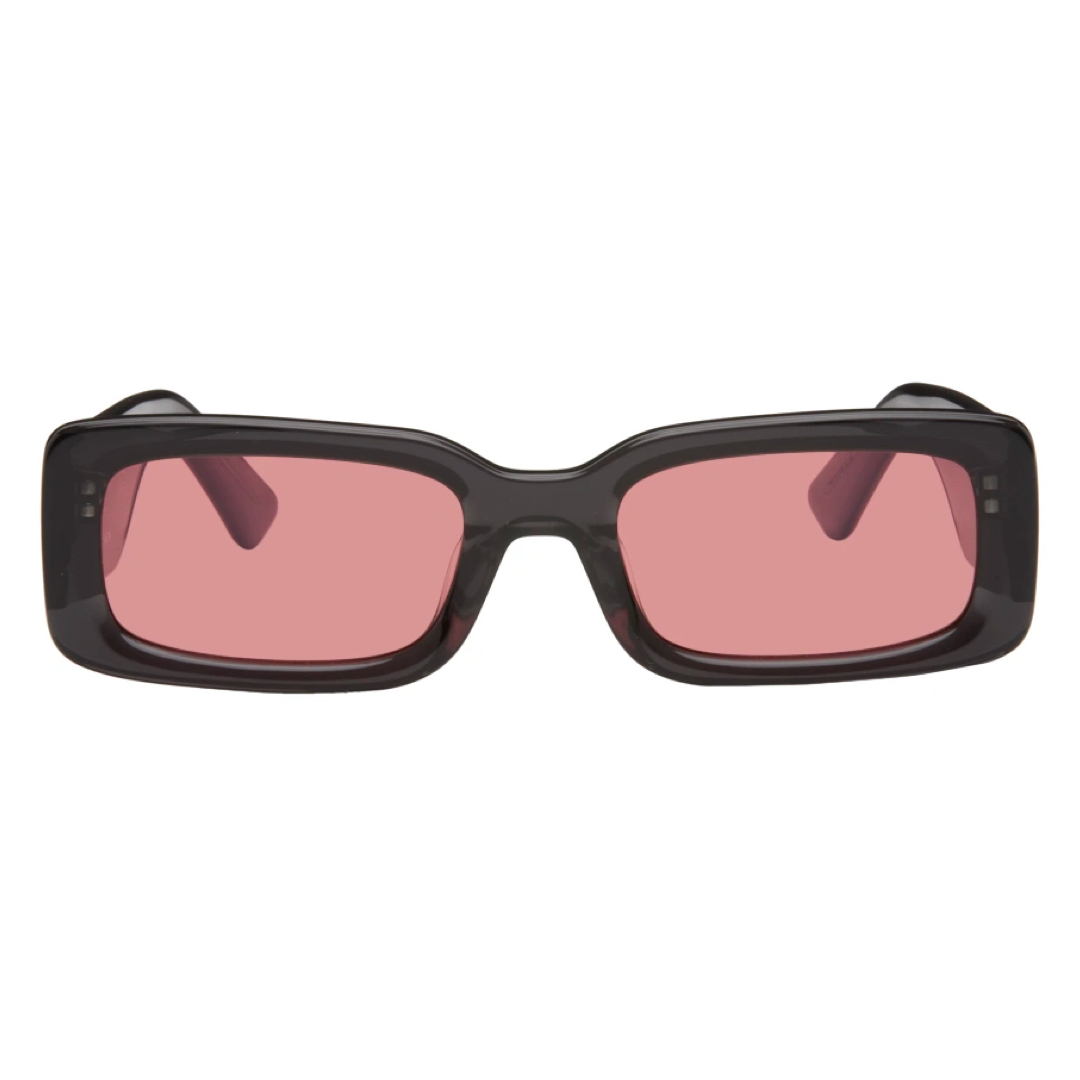
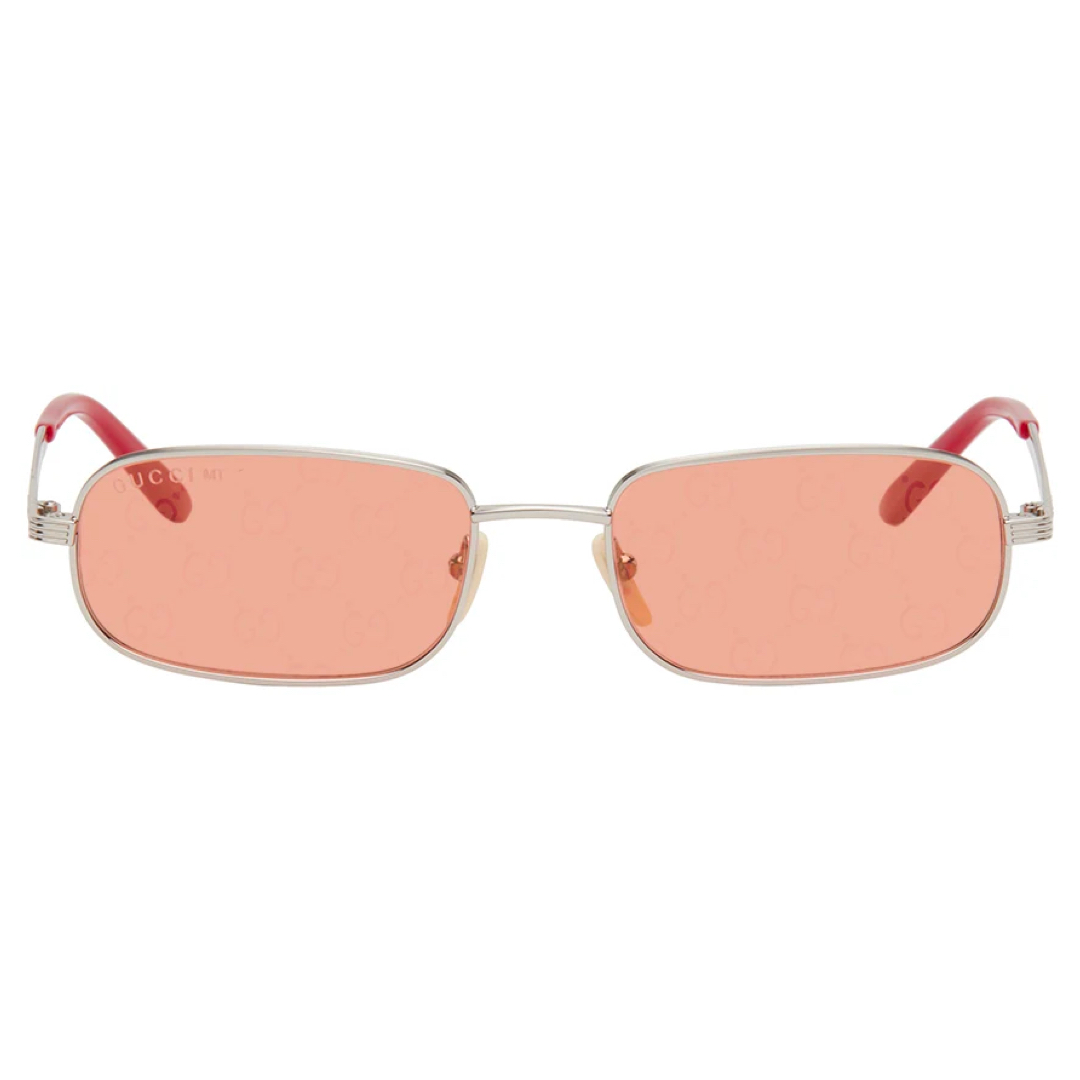
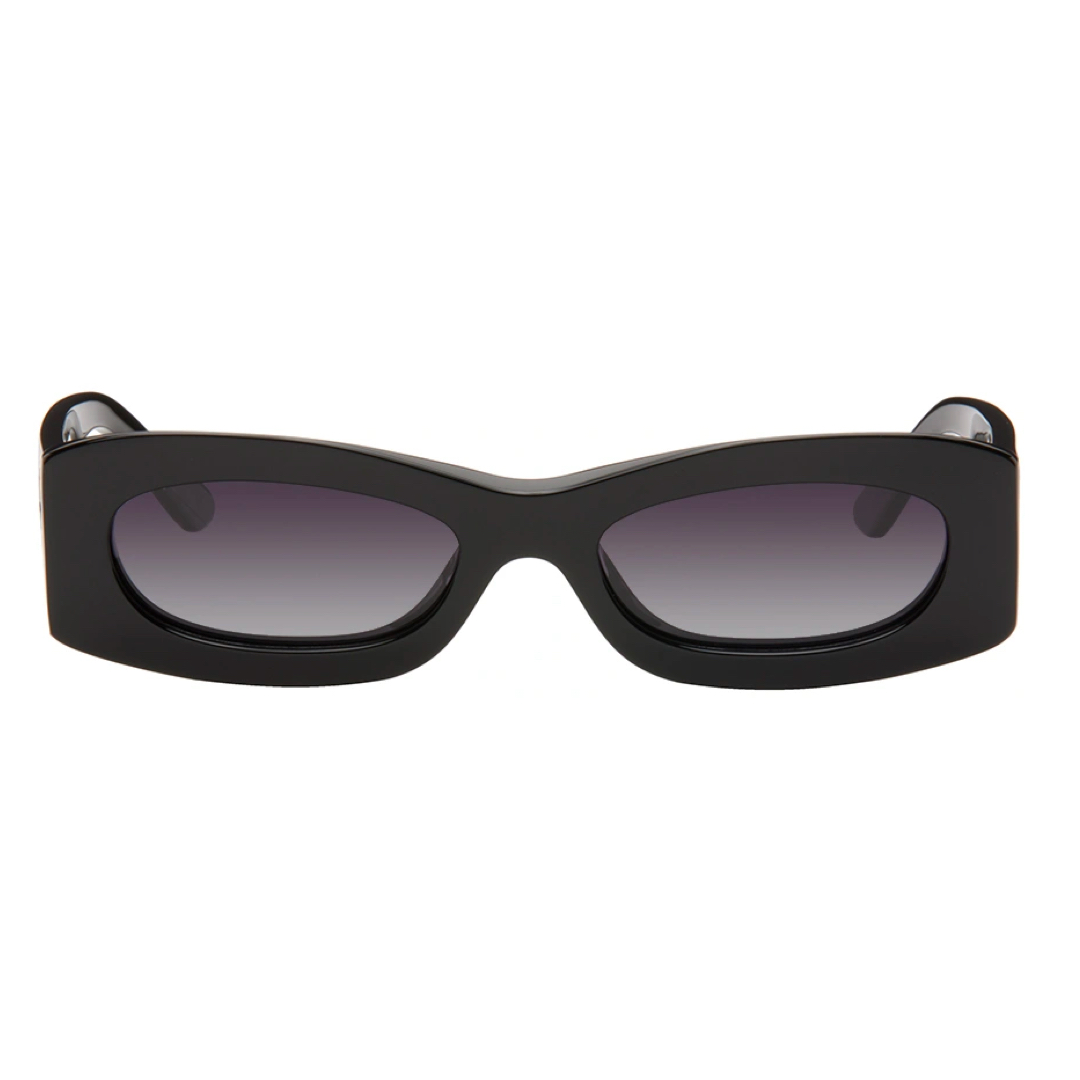
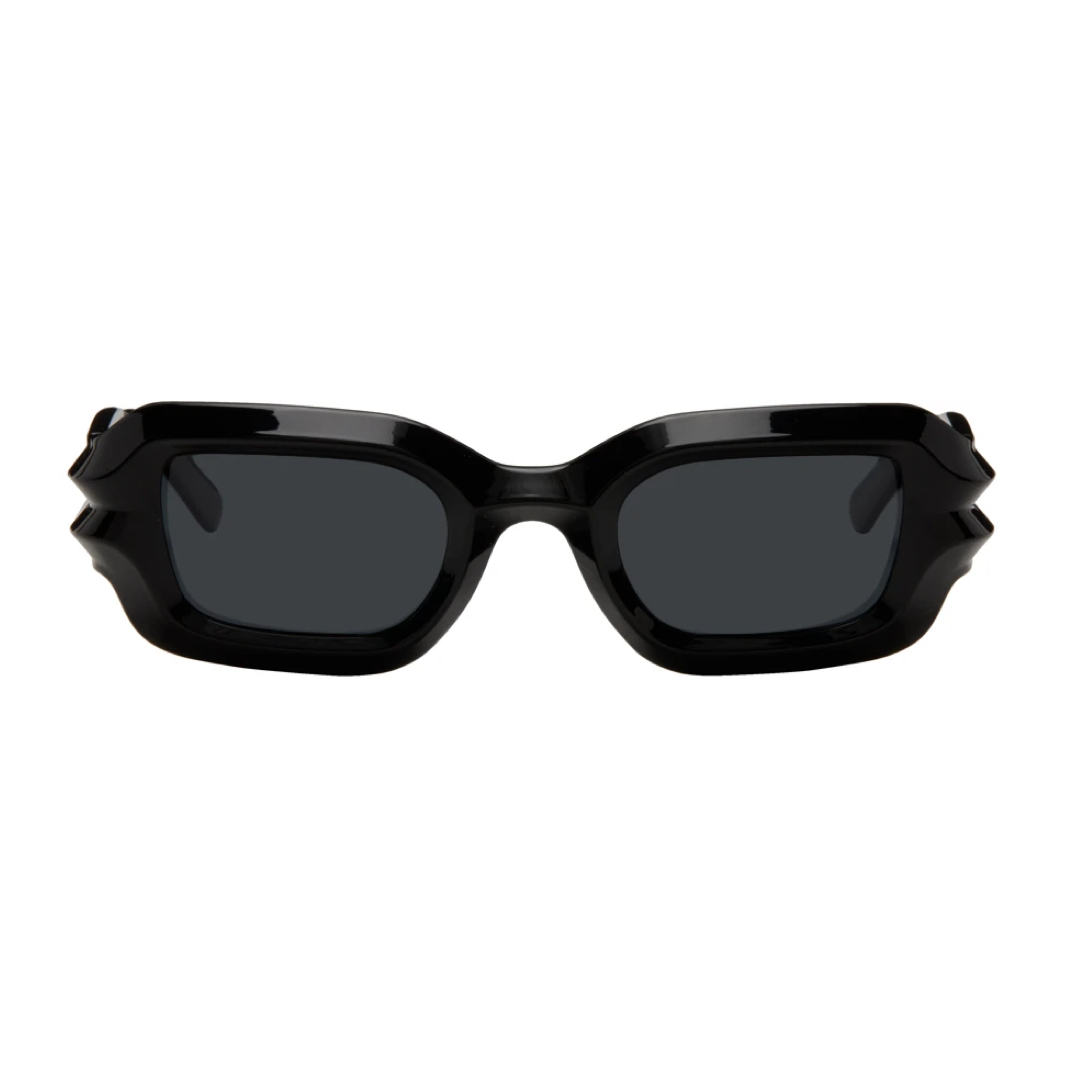
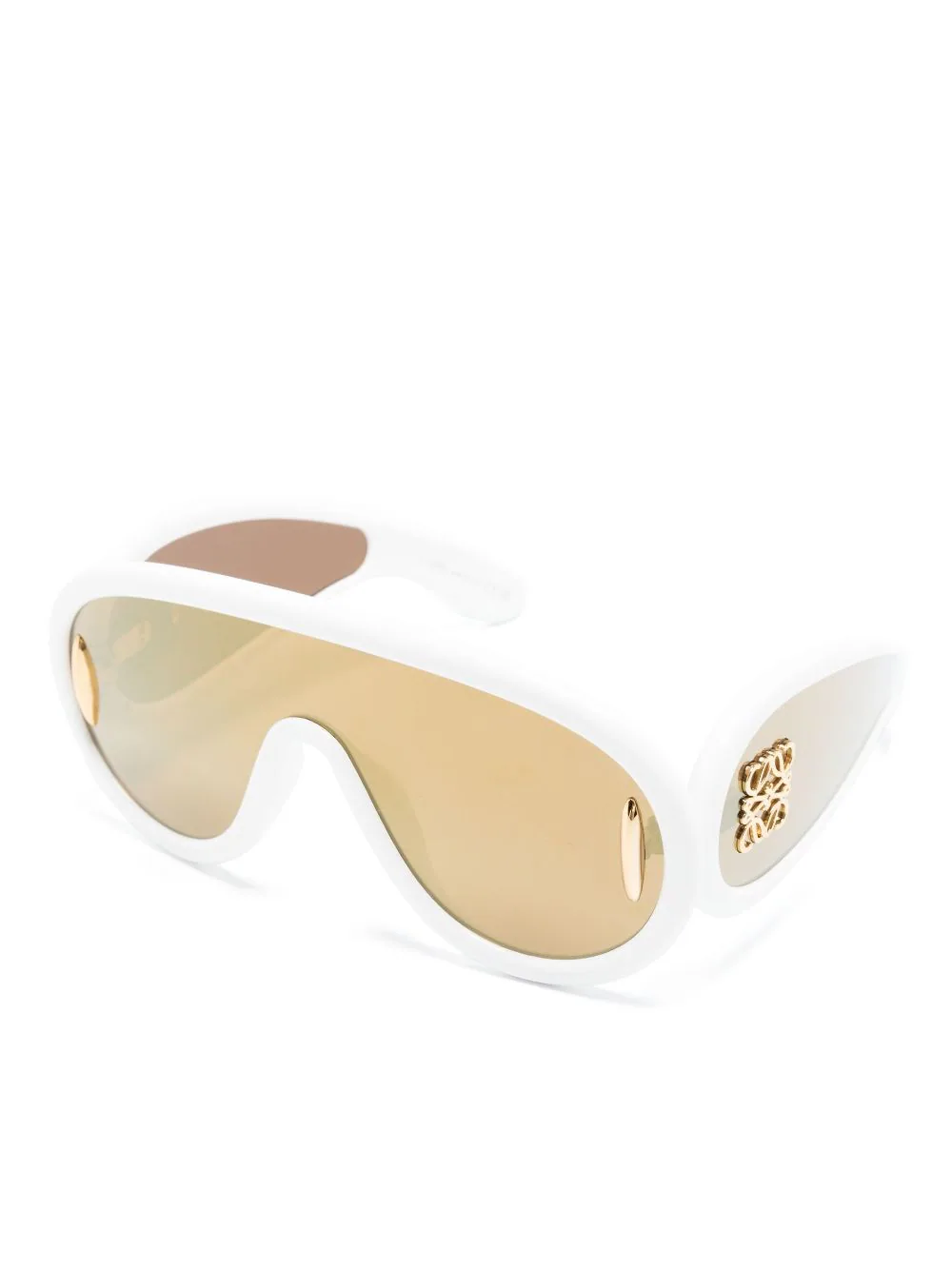
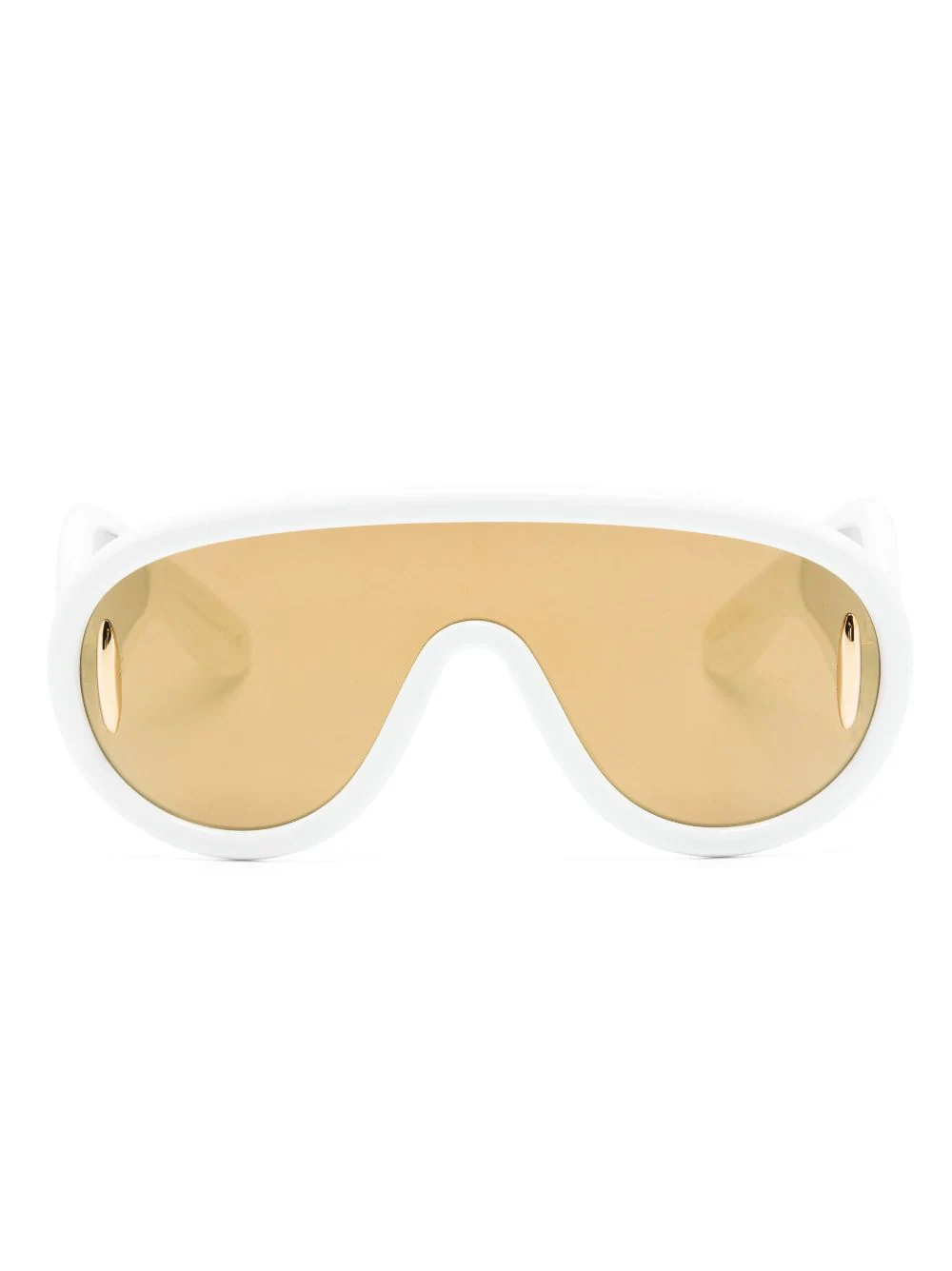
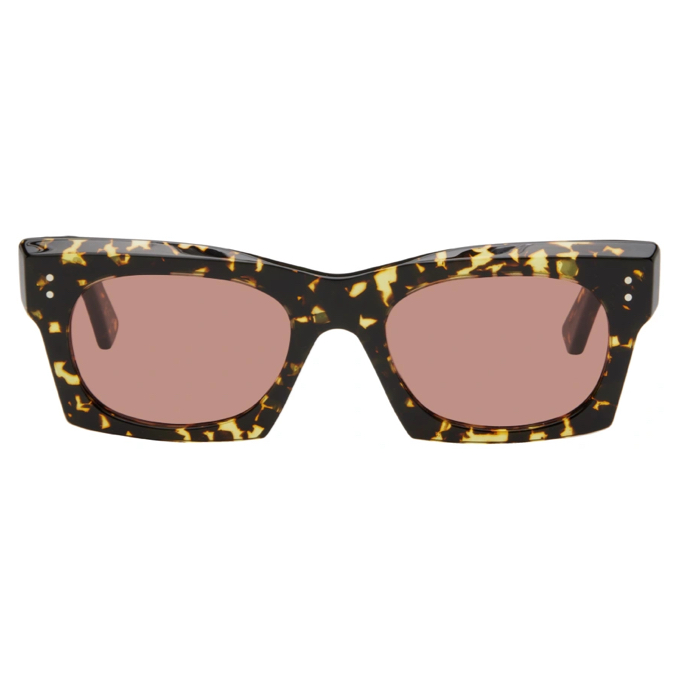
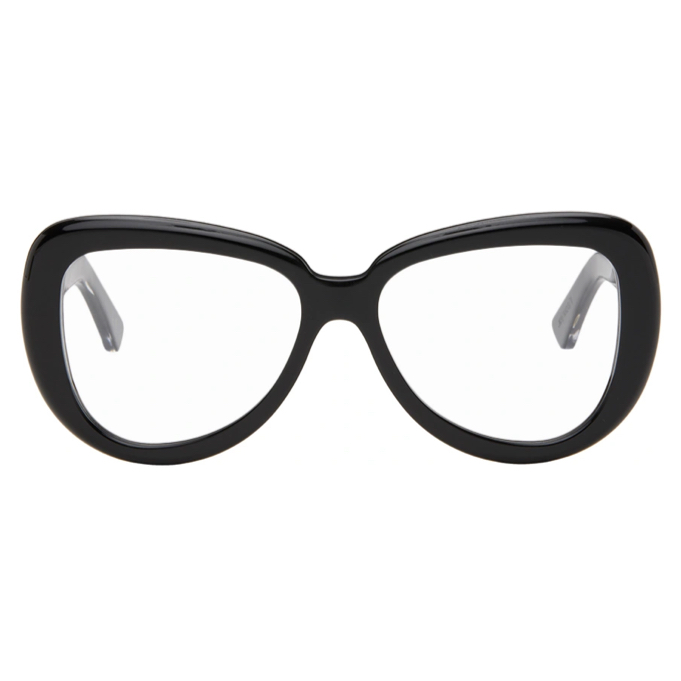
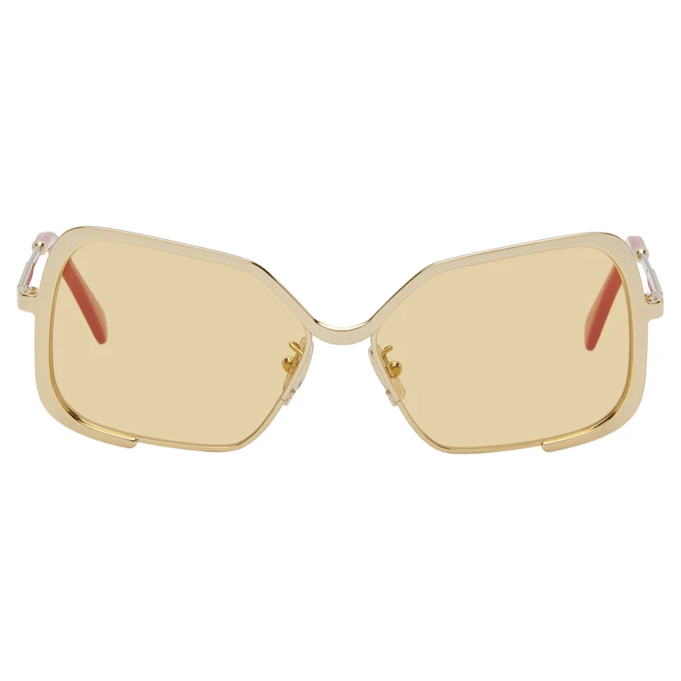
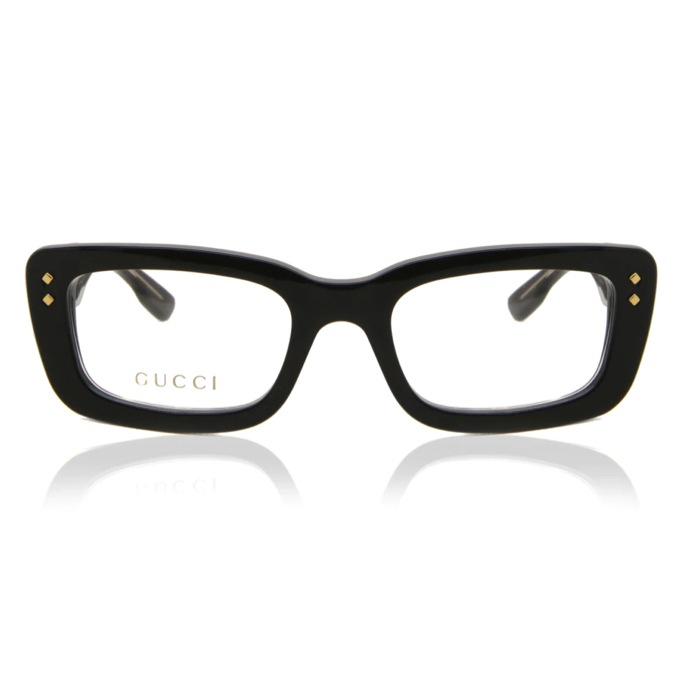
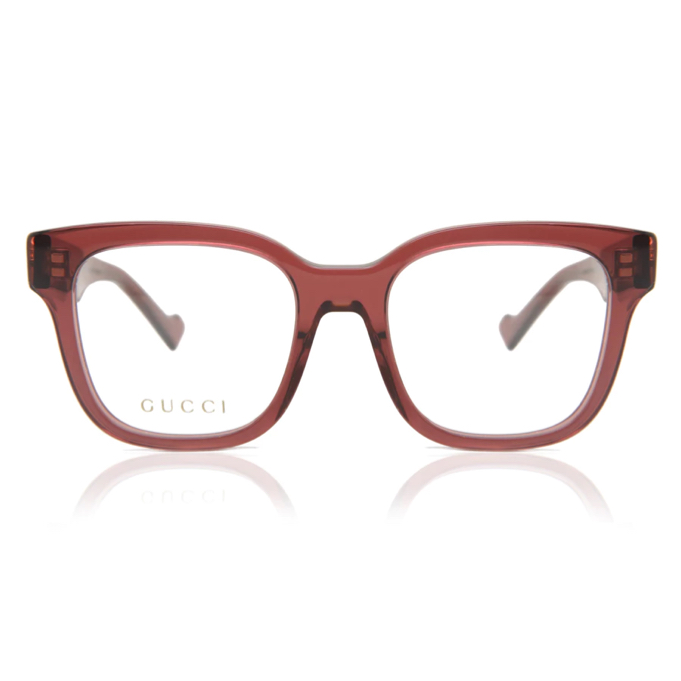
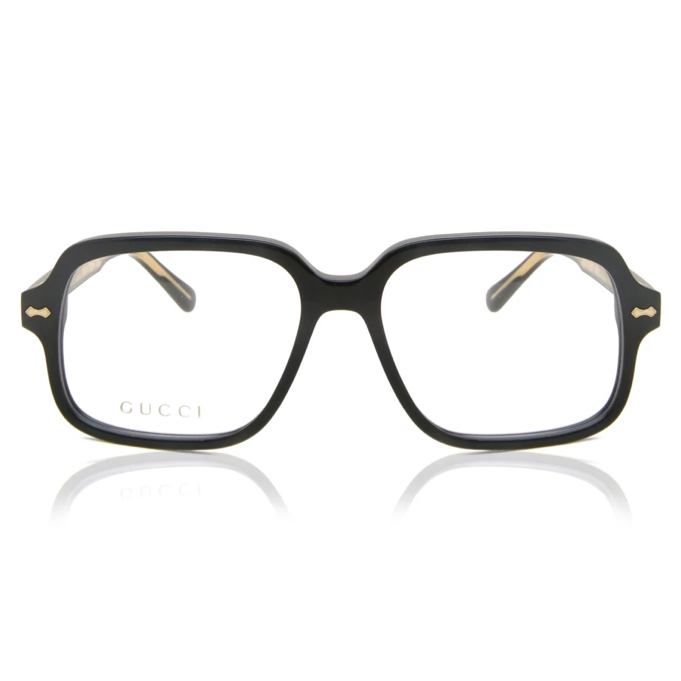
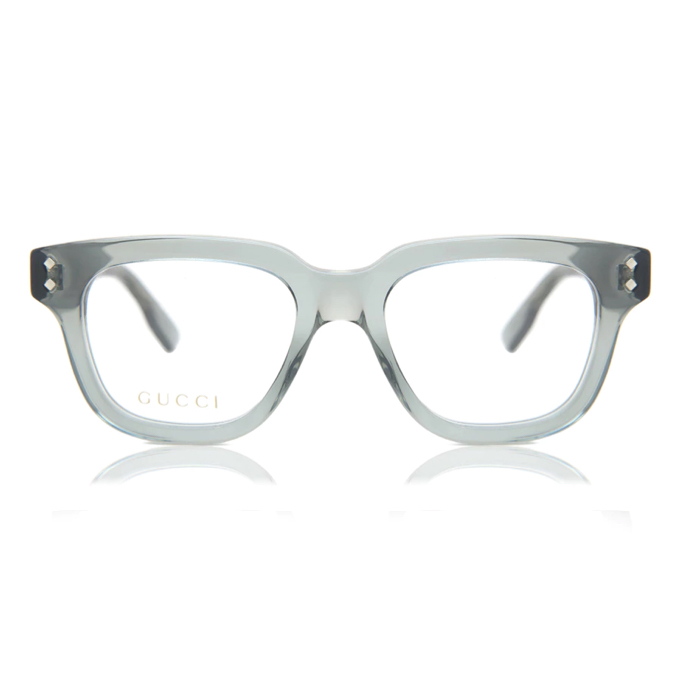
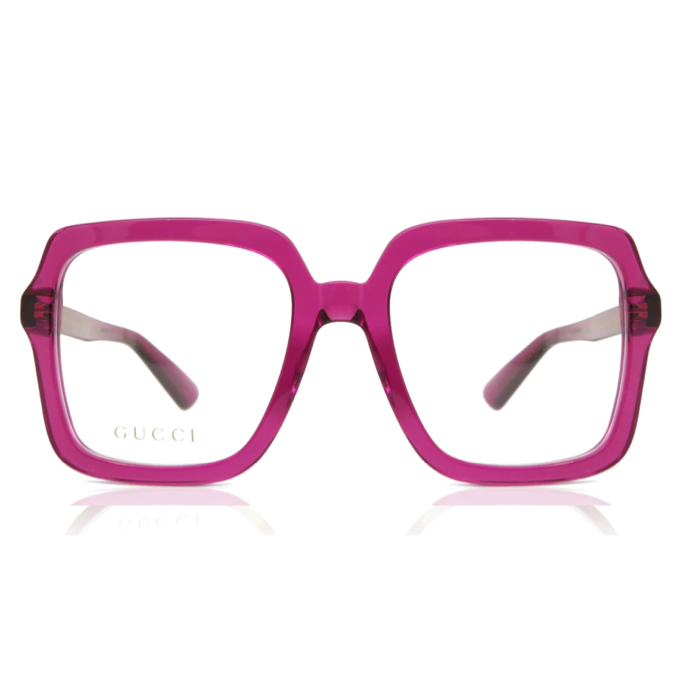
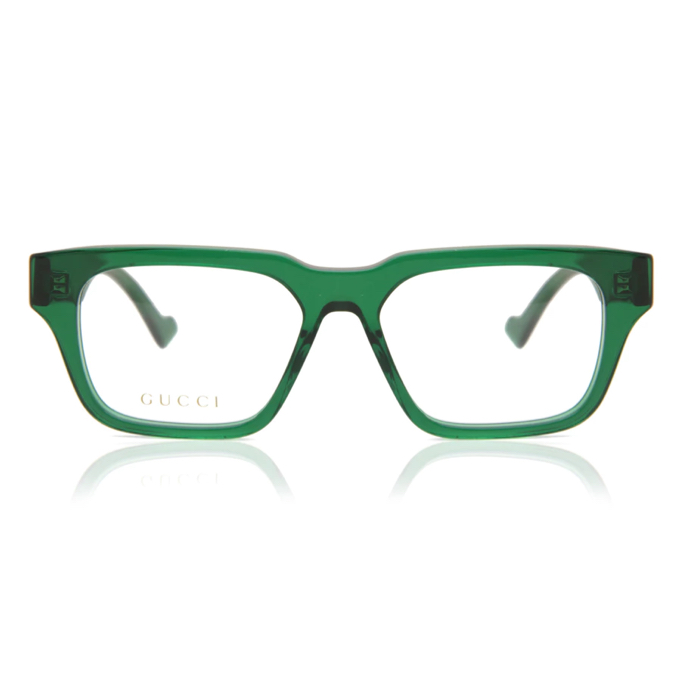
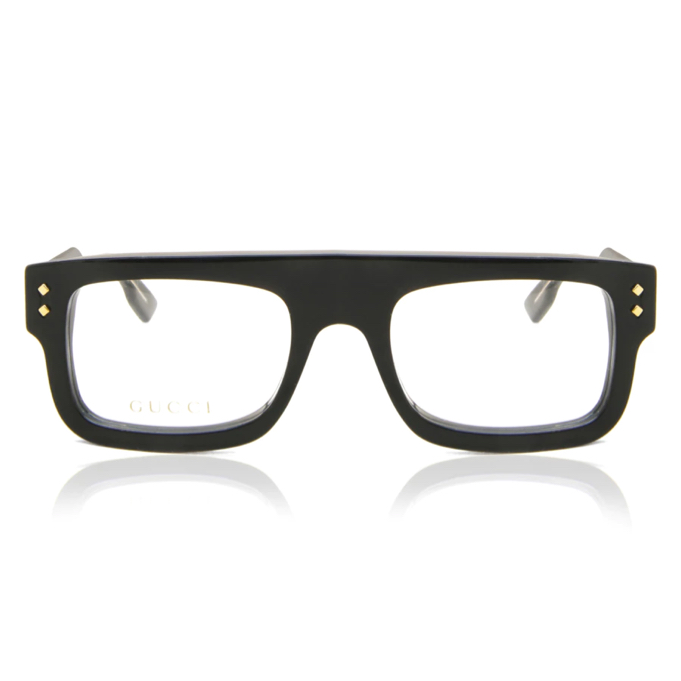
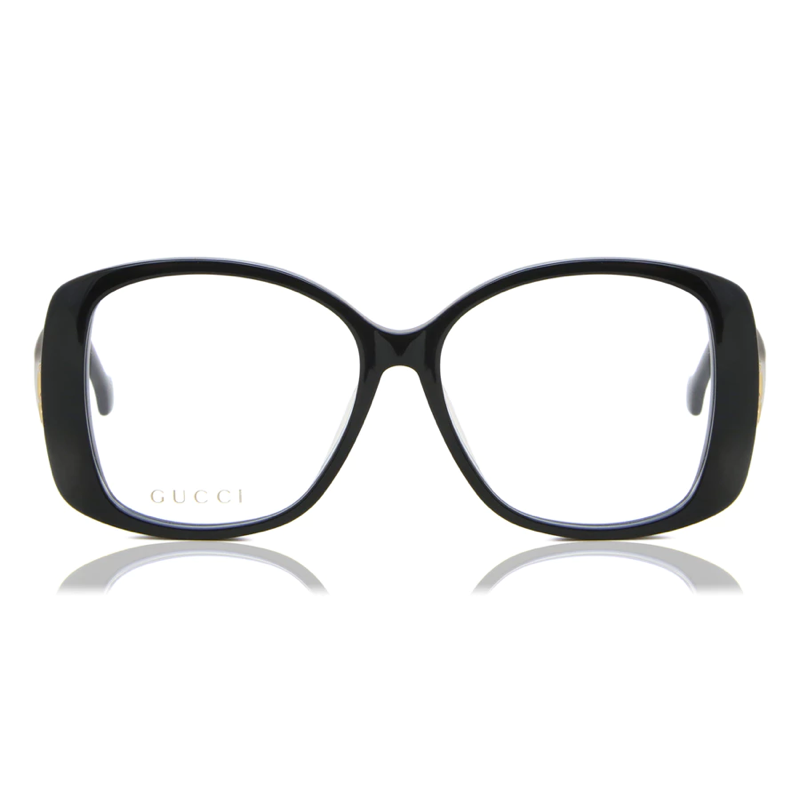
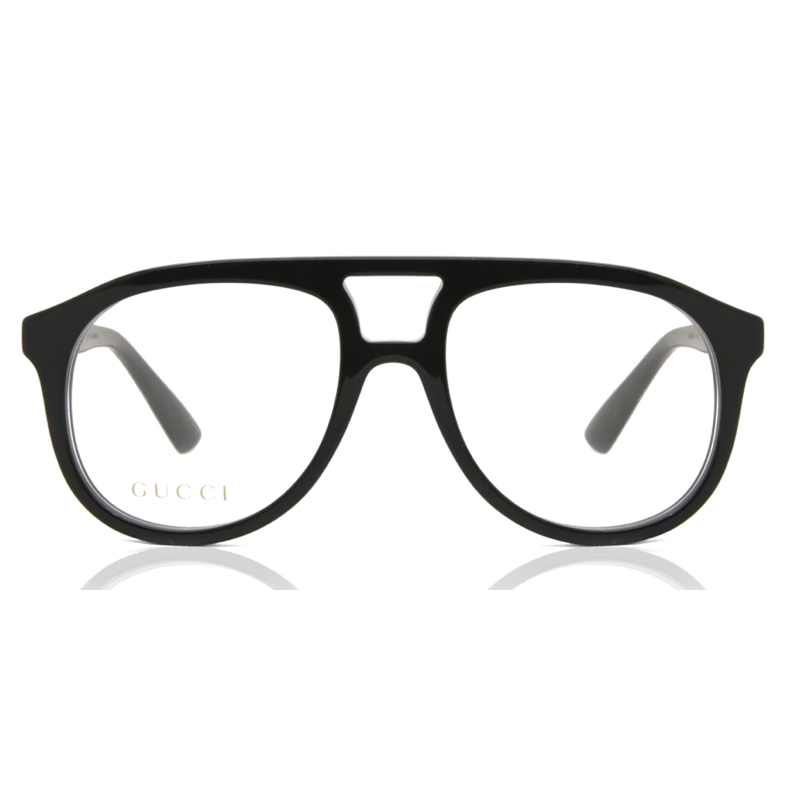
A frame sits at the centre of your face every day. It shapes first impressions, signals taste, and over time becomes part of how people recognise you. It is worth paying attention to where the best ones actually come from.
What we are noticing in 2026 is a quiet but consistent shift toward independent eyewear, brands built not around a fashion house agreement, but around a single pursuit: making the best possible frame.
The Materials Tell the Story
Two materials define this space more than any others.
Mazzucchelli Acetate originates from a single family-owned factory in Castiglione Olona, Italy, producing cellulose acetate from cotton and wood pulp since 1849. What makes it exceptional is its depth. Color does not sit on the surface — it lives inside the material in layers, giving each frame a richness that shifts subtly in different light. It is the kind of quality you notice without necessarily being able to name it.
Japanese Titanium comes primarily from Sabae, a small city in Fukui Prefecture responsible for over 90 percent of Japan’s optical output. Frames produced here pass through up to 200 individual handcrafted steps. The result is exceptionally lightweight, hypoallergenic, and built to last decades rather than seasons.
The independent brands working with these materials tend to say so clearly. It is part of how they communicate their values.
10 Independent Eyewear Brands Worth Knowing
These are not household names. They are found in carefully curated optical boutiques, worn by people who research their frames the way others research furniture or footwear. Each one is fully independent.
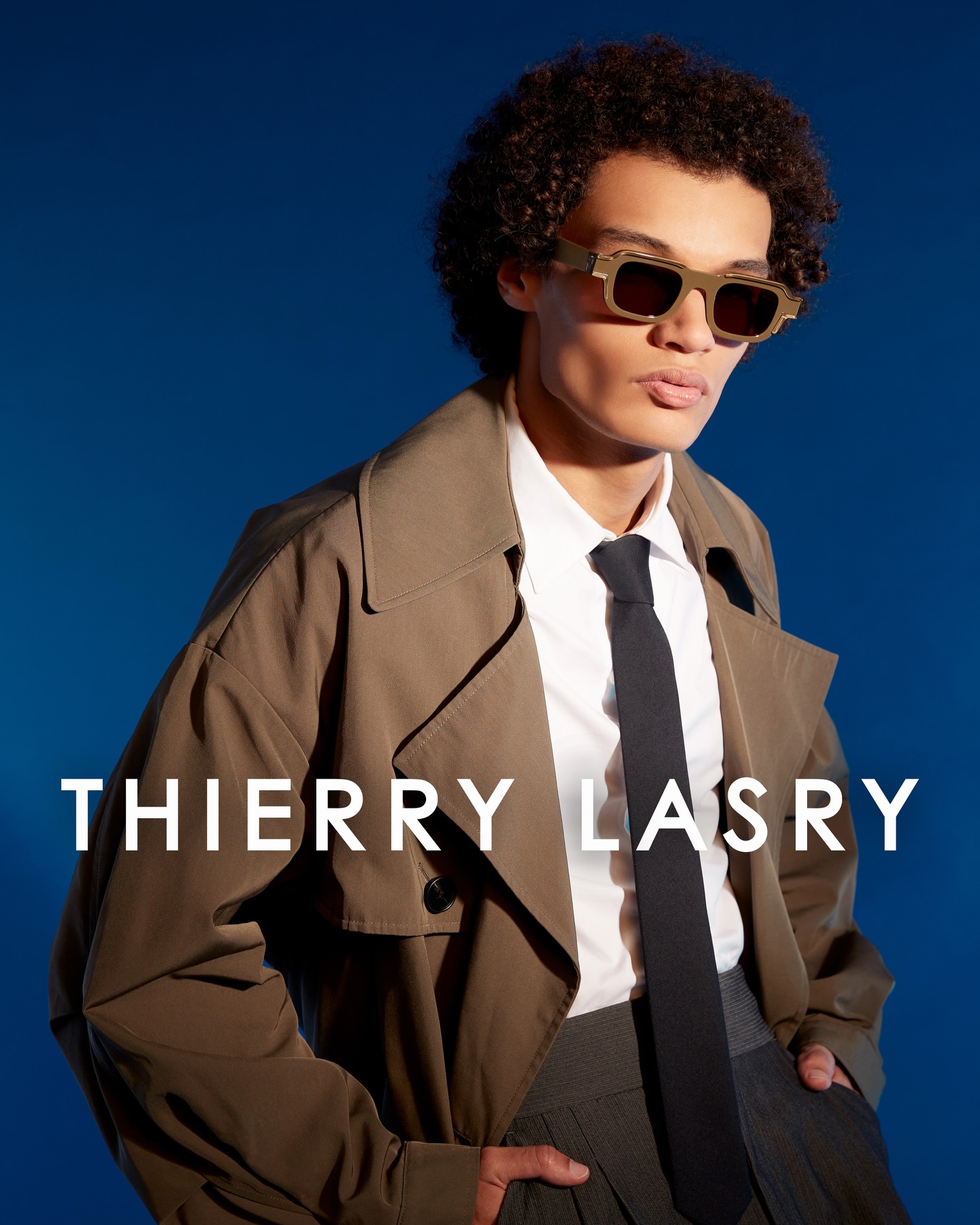
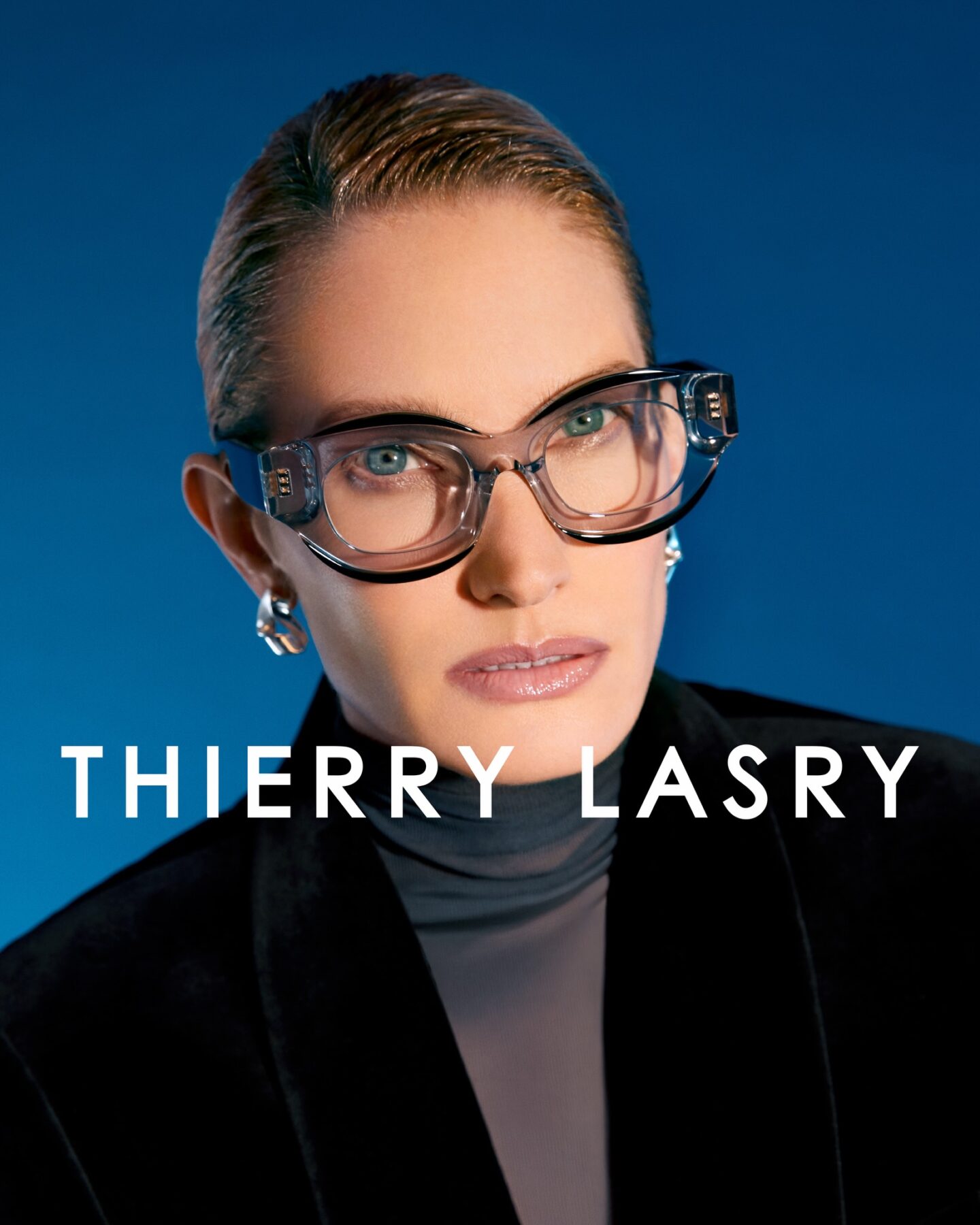
Thierry Lasry works exclusively with Mazzucchelli acetate, sculpted by hand in France. The aesthetic sits at an interesting intersection of vintage proportion and forward-facing silhouette — flat-fronted frames where the acetate front is treated less like a component and more like a carved object.

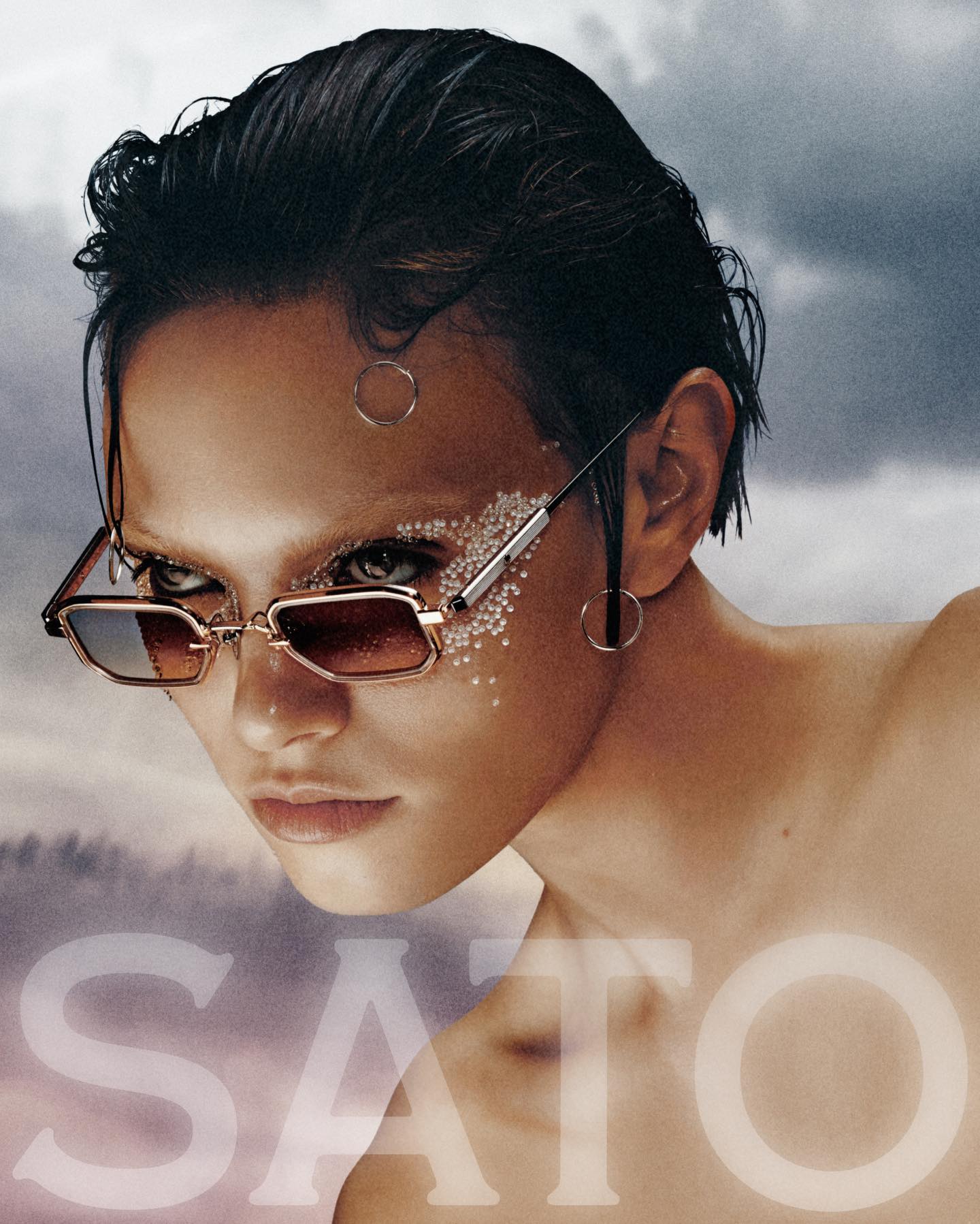
Sato operates at the most exclusive end of the spectrum. Each collection is limited to 400 individually numbered pairs, handcrafted from aerospace grade titanium in Fukui. The brand is viewable by private appointment in Paris — a considered decision that reflects how seriously they treat the object they are making.


Kuboraum emerged from Berlin in 2012, founded by a sculptor and an anthropologist. They describe their pieces not as glasses but as masks — three-dimensional constructions produced in Italy that treat the face as a site of expression rather than simply a surface to accessorise.

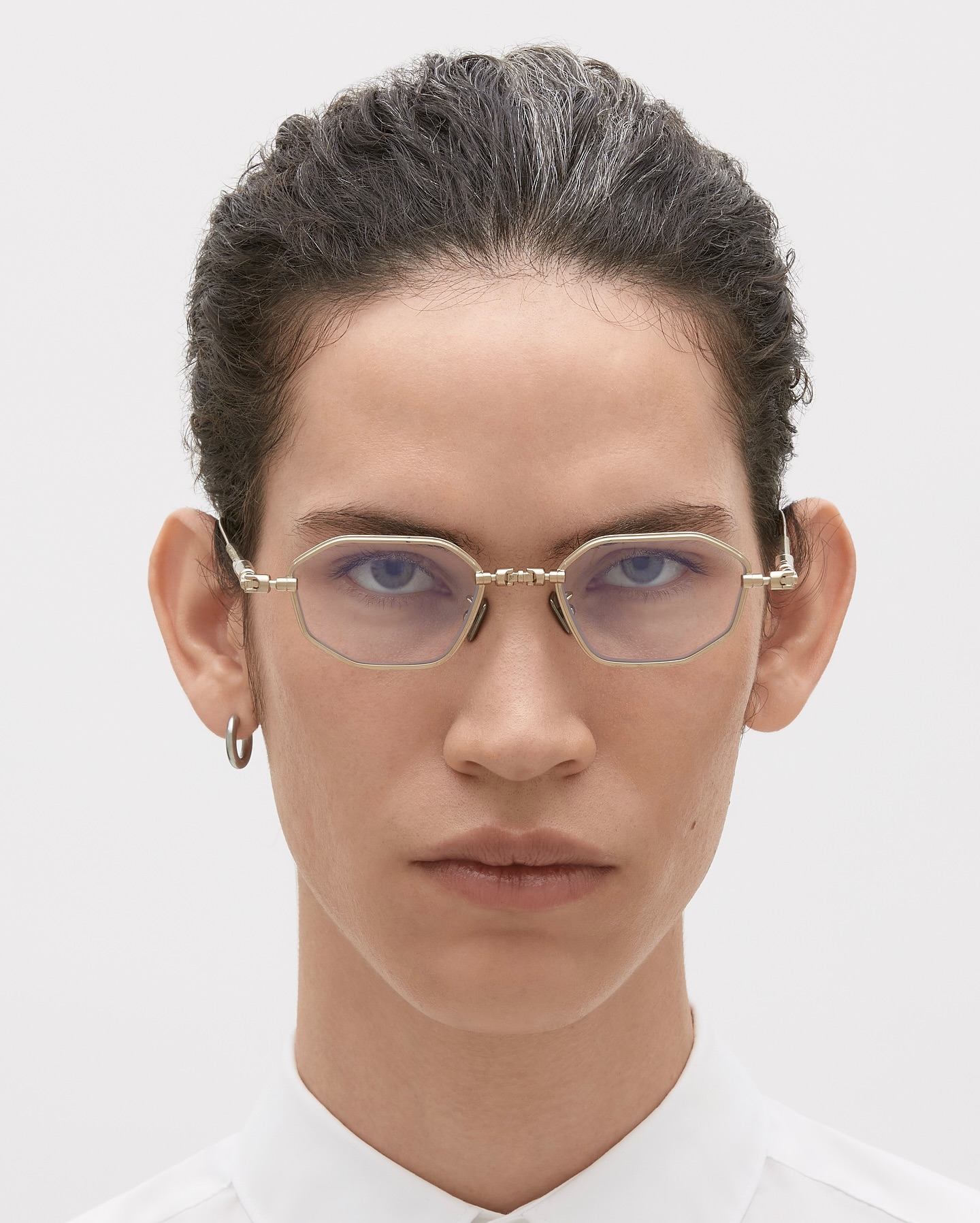
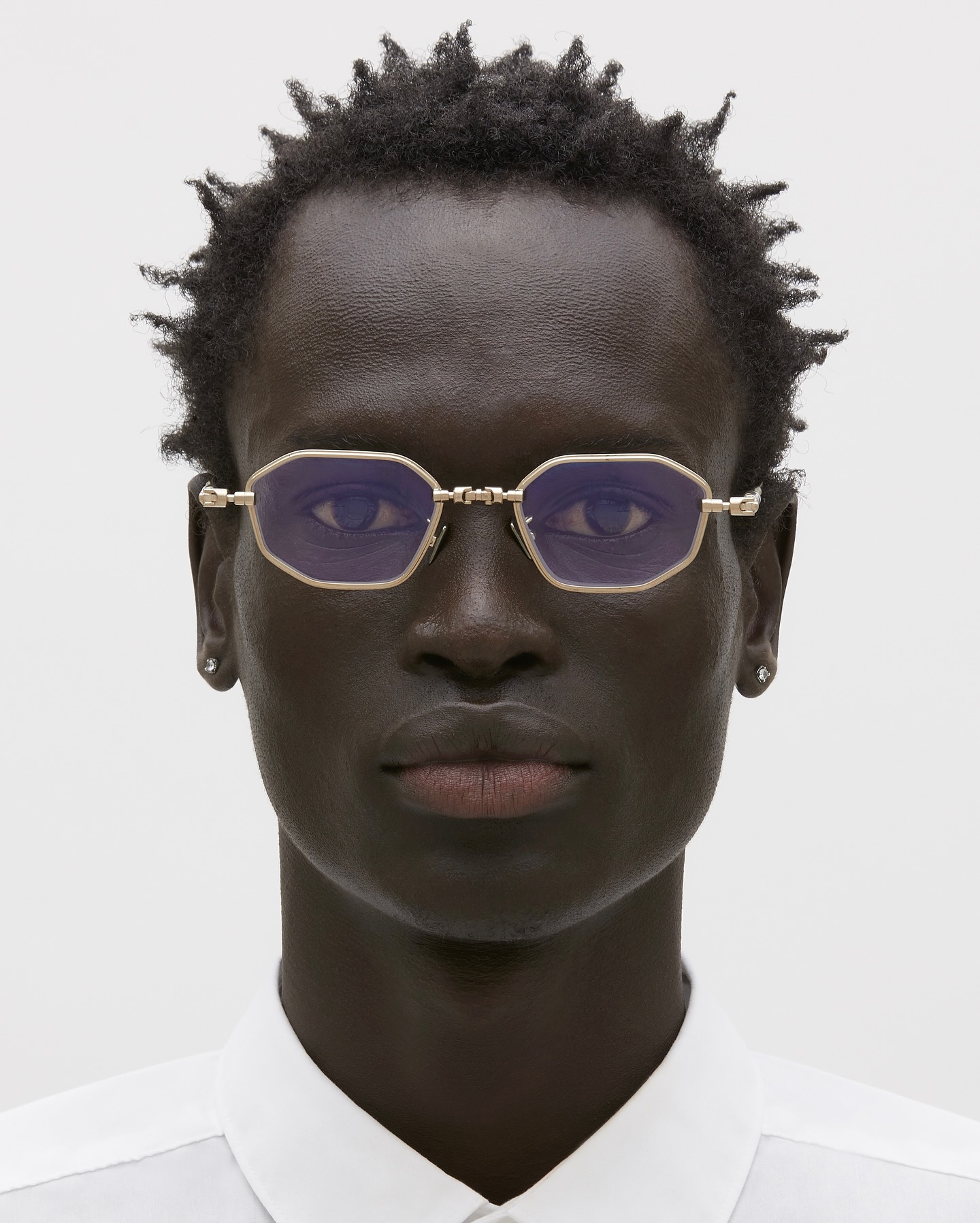
Lapima iis the standout voice from South America. Founded in São Paulo in 2016, every frame passes through 32 handmade production steps within their own atelier, using imported Italian acetate. The design language draws from the organic forms of the Brazilian landscape — generous in volume, confident in color.



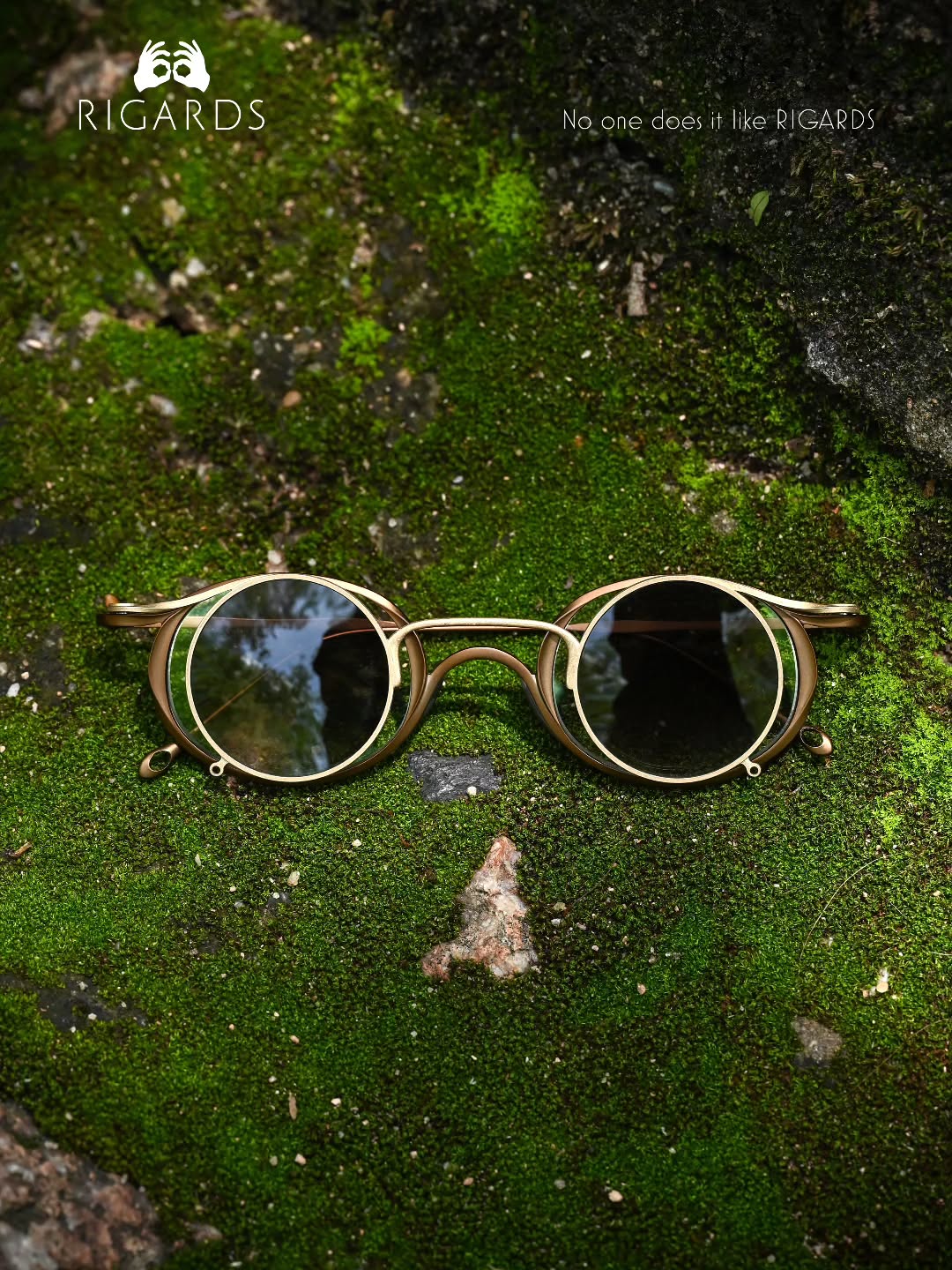
Rigards is based in Hong Kong and occupies a genuinely singular position in the market. Frames are hand-hammered and built from natural horn, sterling silver, and premium acetate. Seasonal collaborations with artists and fashion designers mean the brand operates more like a gallery than a typical eyewear label.

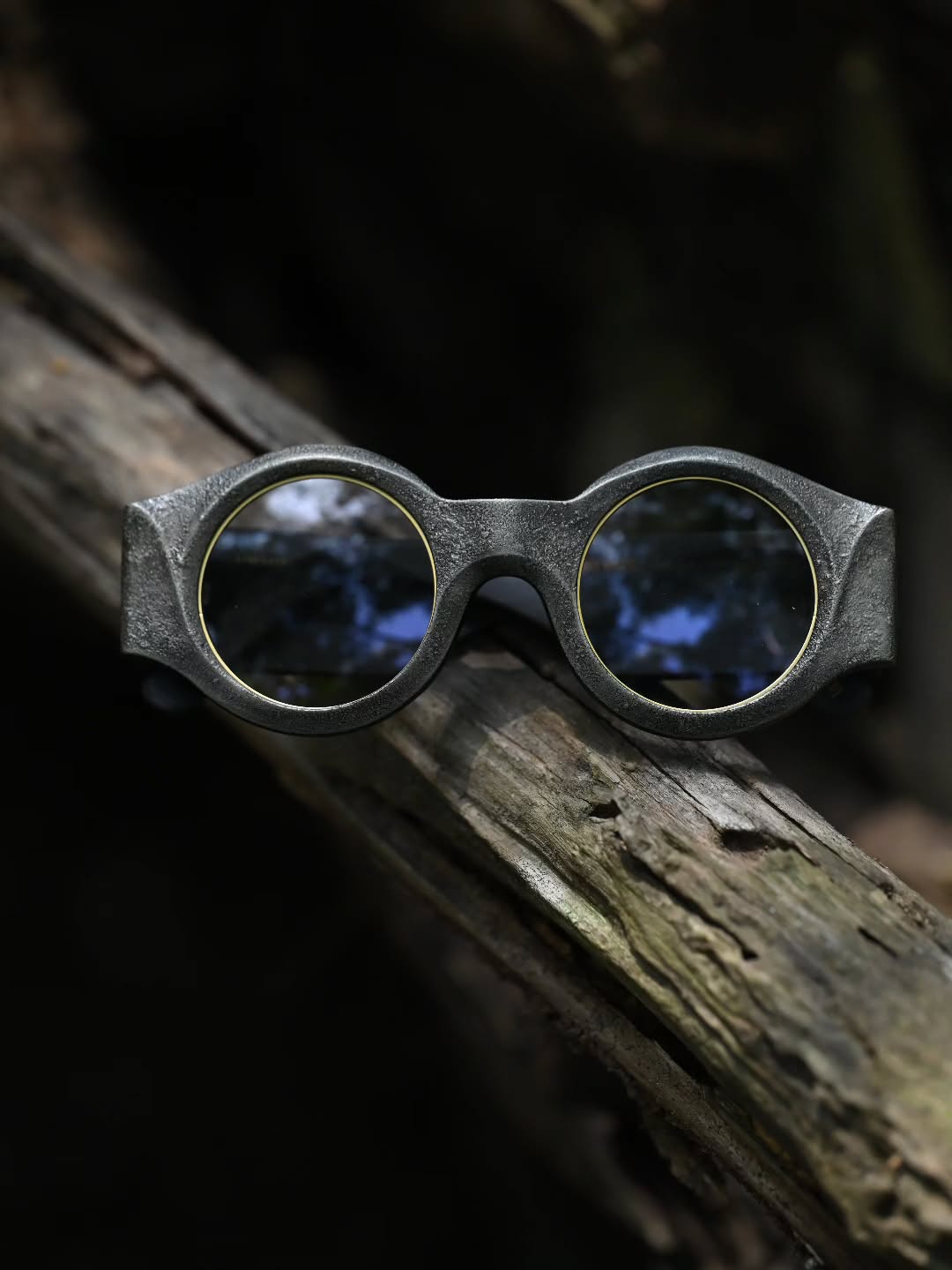
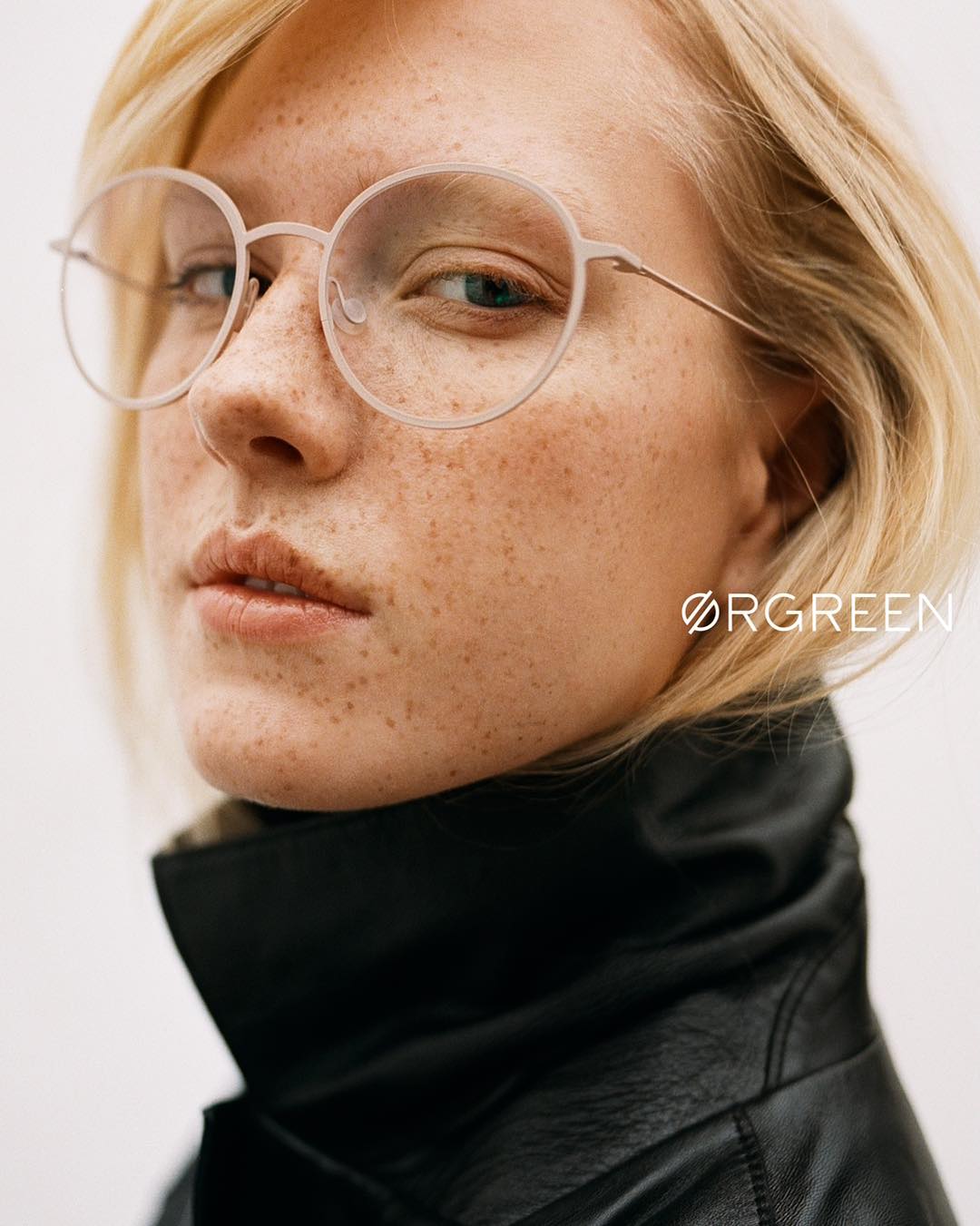
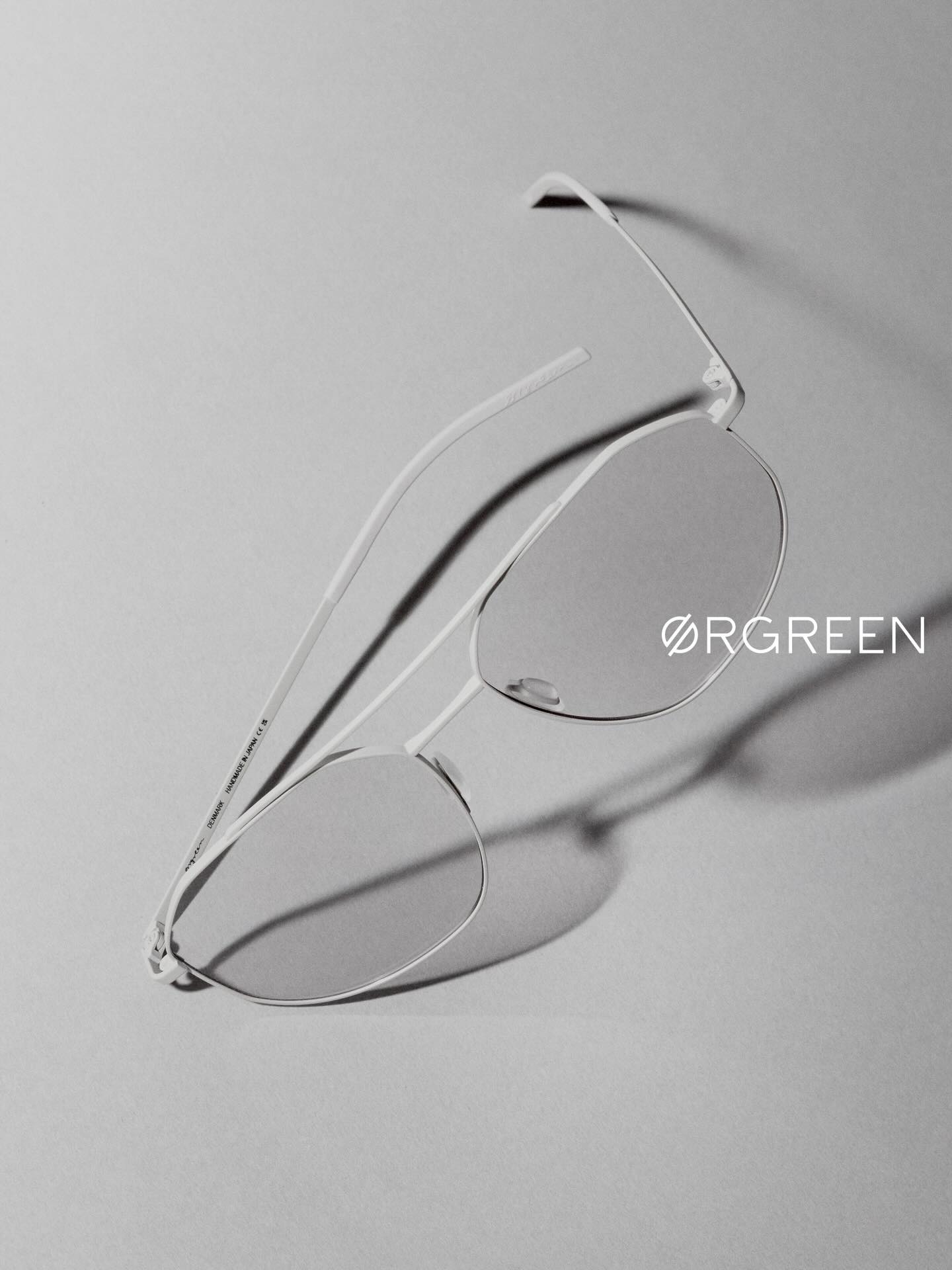
Orgreen brings a Nordic precision to color. The Copenhagen studio works with a dedicated colorist to develop shades exclusive to the collection, and has developed a rare technical ability to apply genuinely different tones to the interior and exterior surfaces of a titanium frame — a detail invisible until you look closely, and then impossible to unsee.

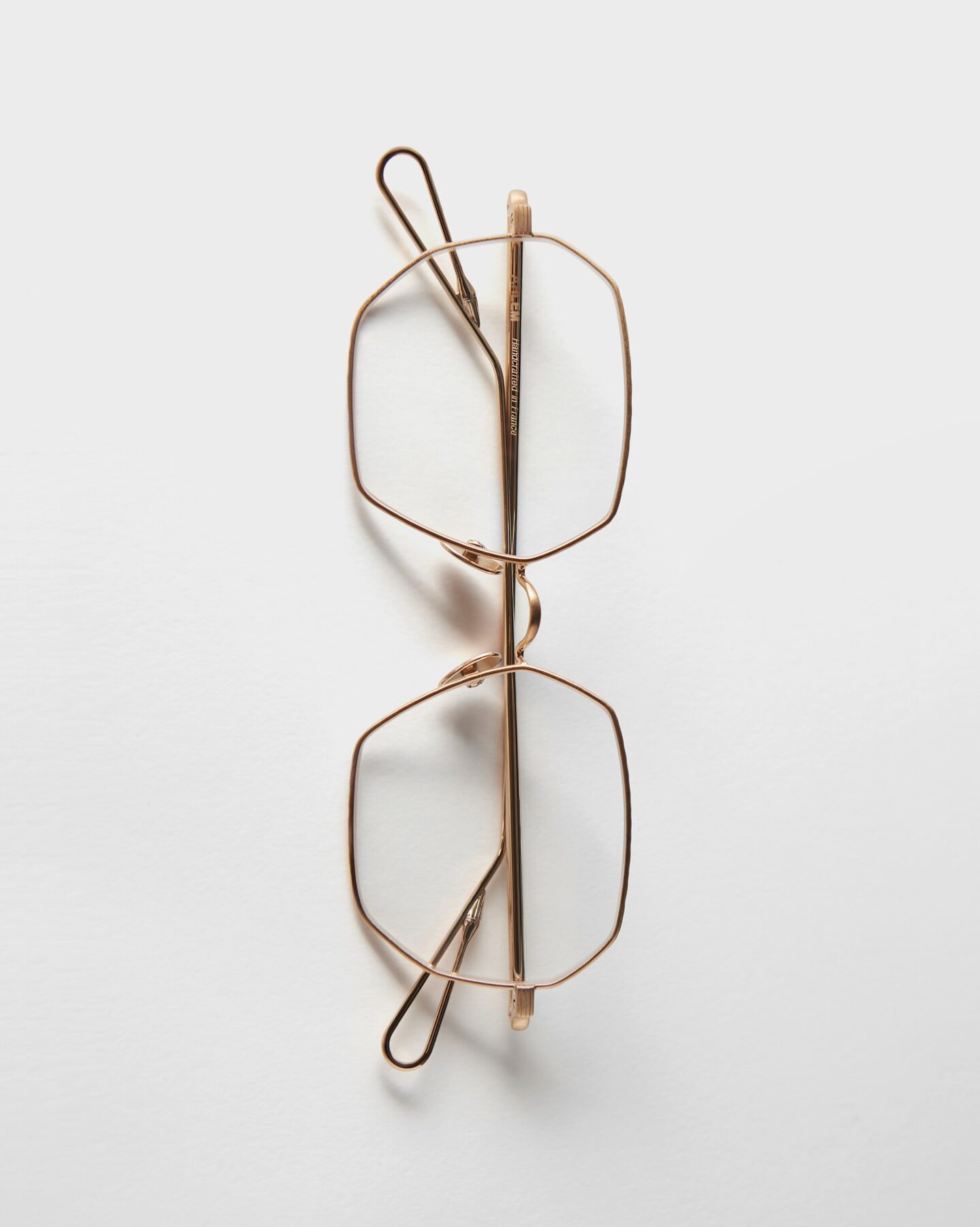
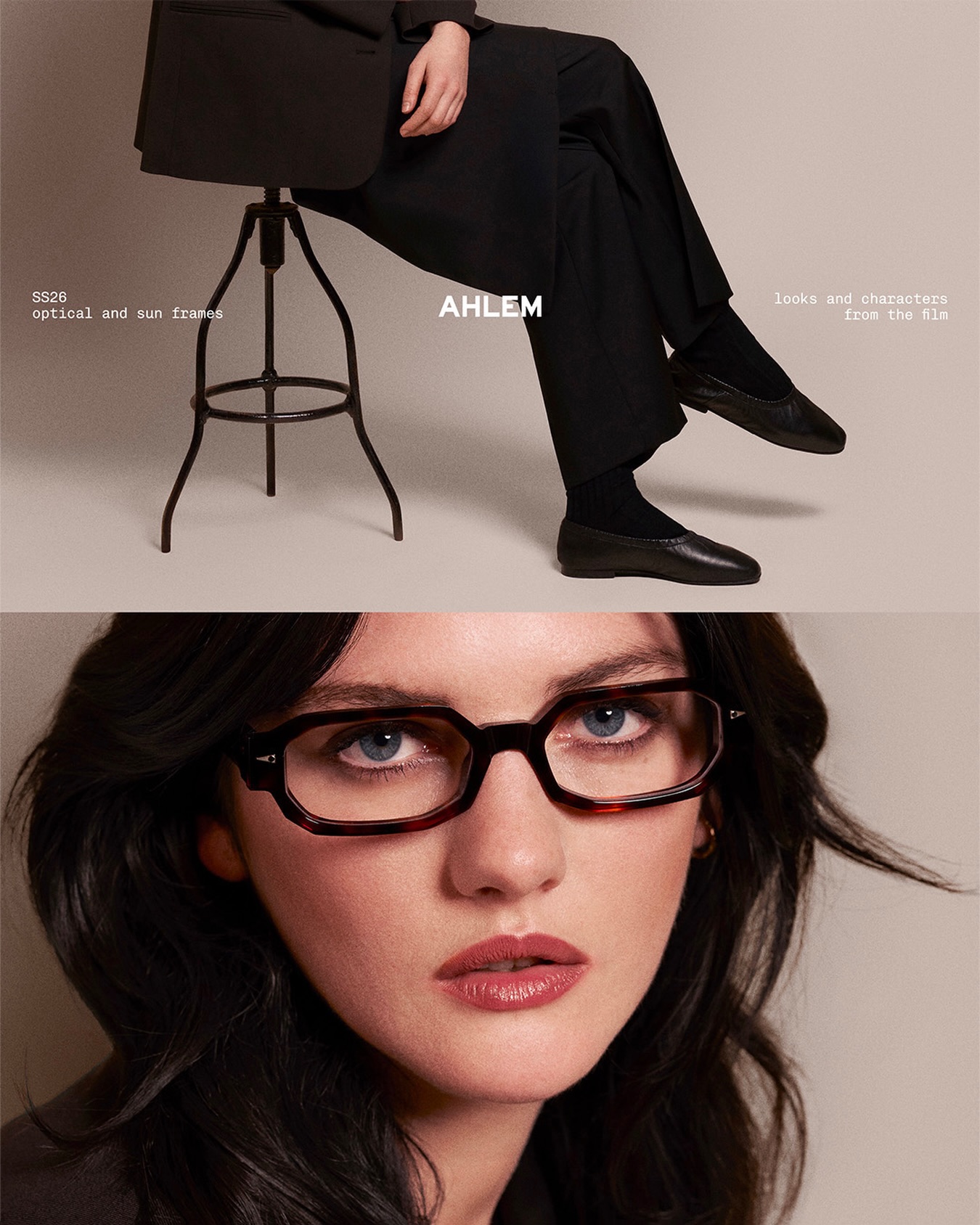
Ahlem was founded by a Tunisian-French optician and produces frames entirely by hand in France using Italian acetate. There is no visible branding. The frames are quiet in the way that very considered things tend to be — they read immediately to those who know the brand, and simply as beautiful objects to everyone else.

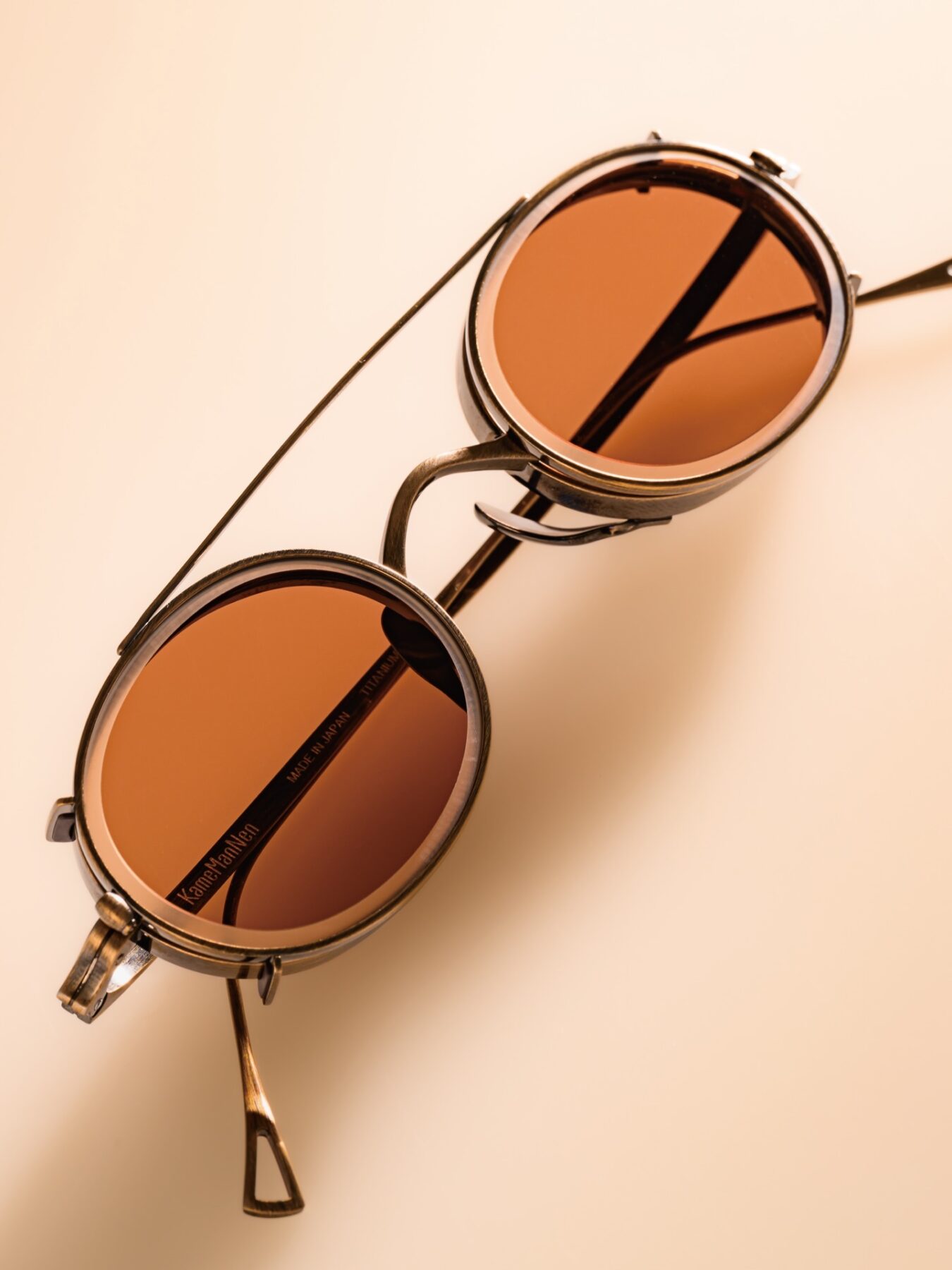
KameManNen has been making frames in Sabae since 1917, making it Japan’s oldest eyewear brand. They were among the first to apply titanium to optical frames in 1981, and have continued refining that craft ever since. Signature turtle engravings reference the founding philosophy of the brand — eyewear made to last a lifetime.
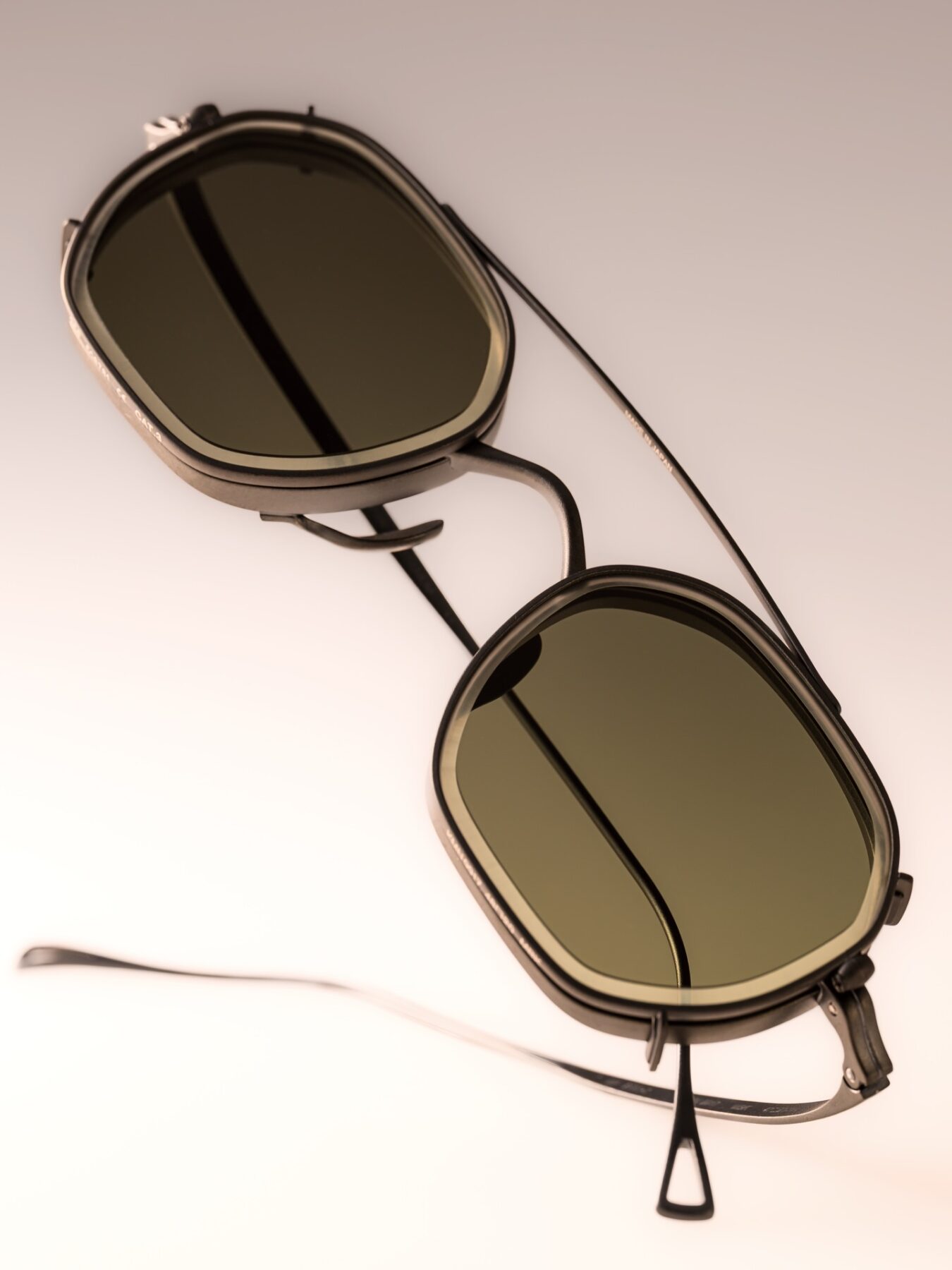
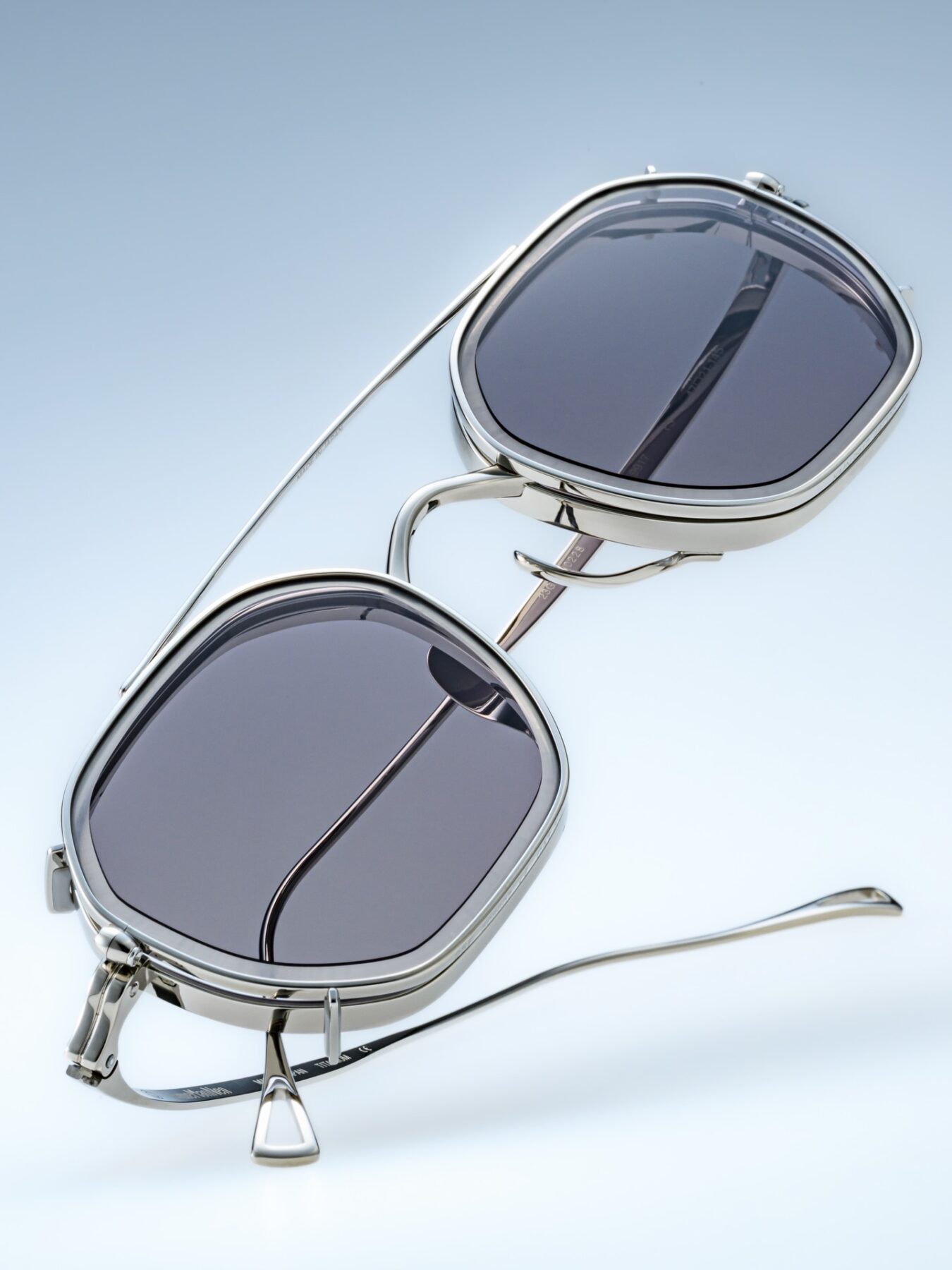
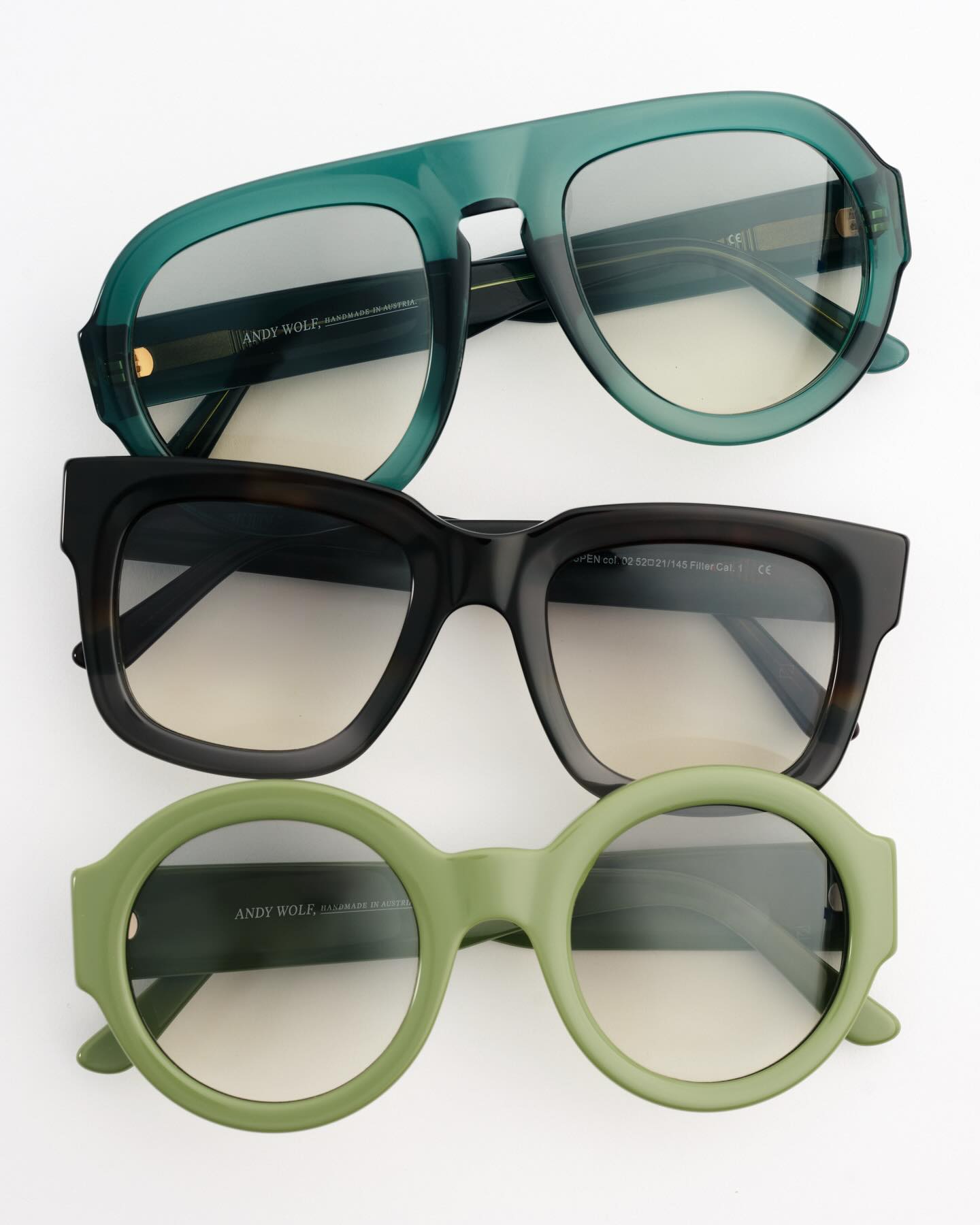
Andy Wolf is a family owned studio in Graz, Austria, producing Mazzucchelli acetate frames with a focus on long term wearability. The design is restrained and the finishing is exceptional — the kind of brand that rewards daily wear over time rather than making an immediate statement.


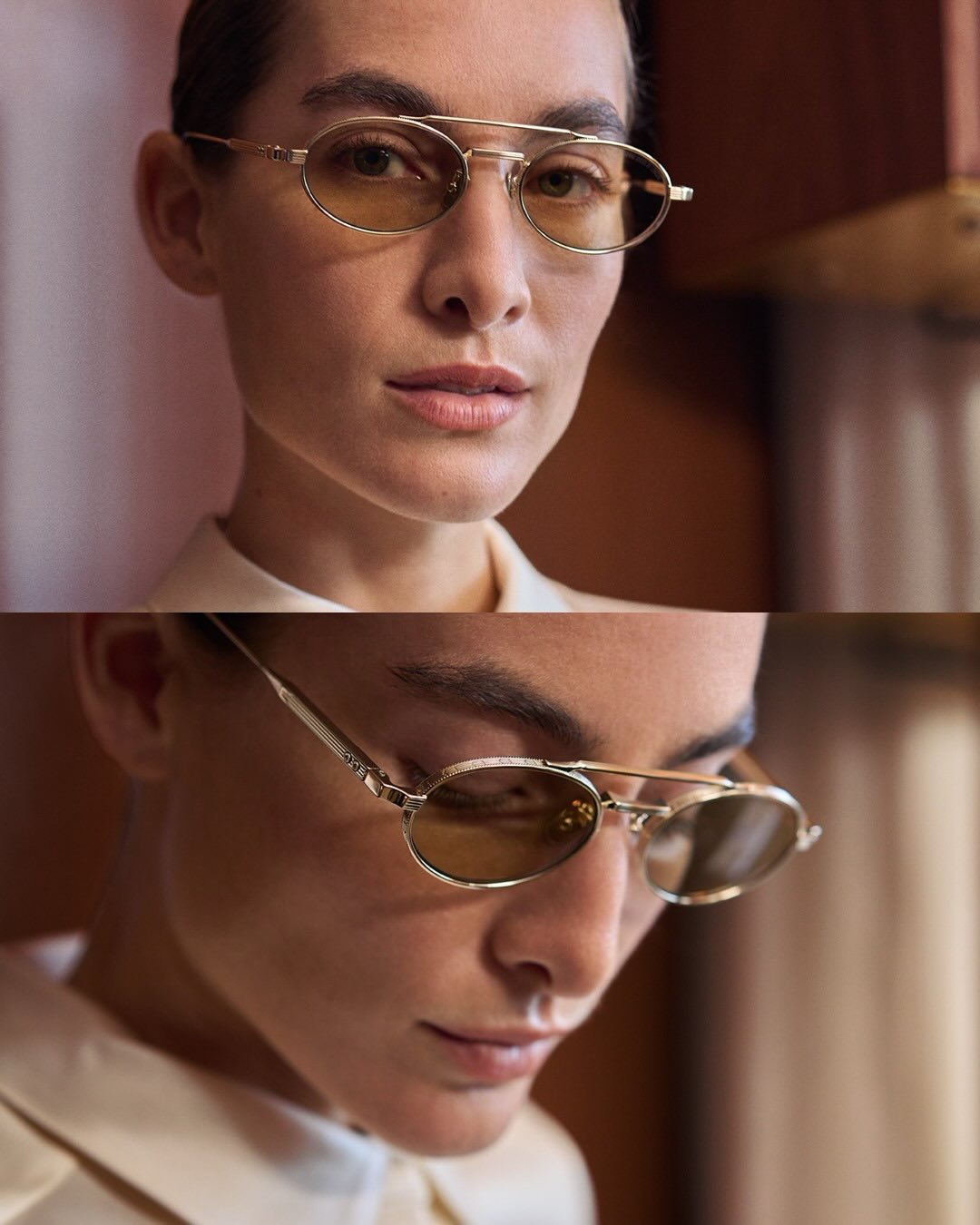
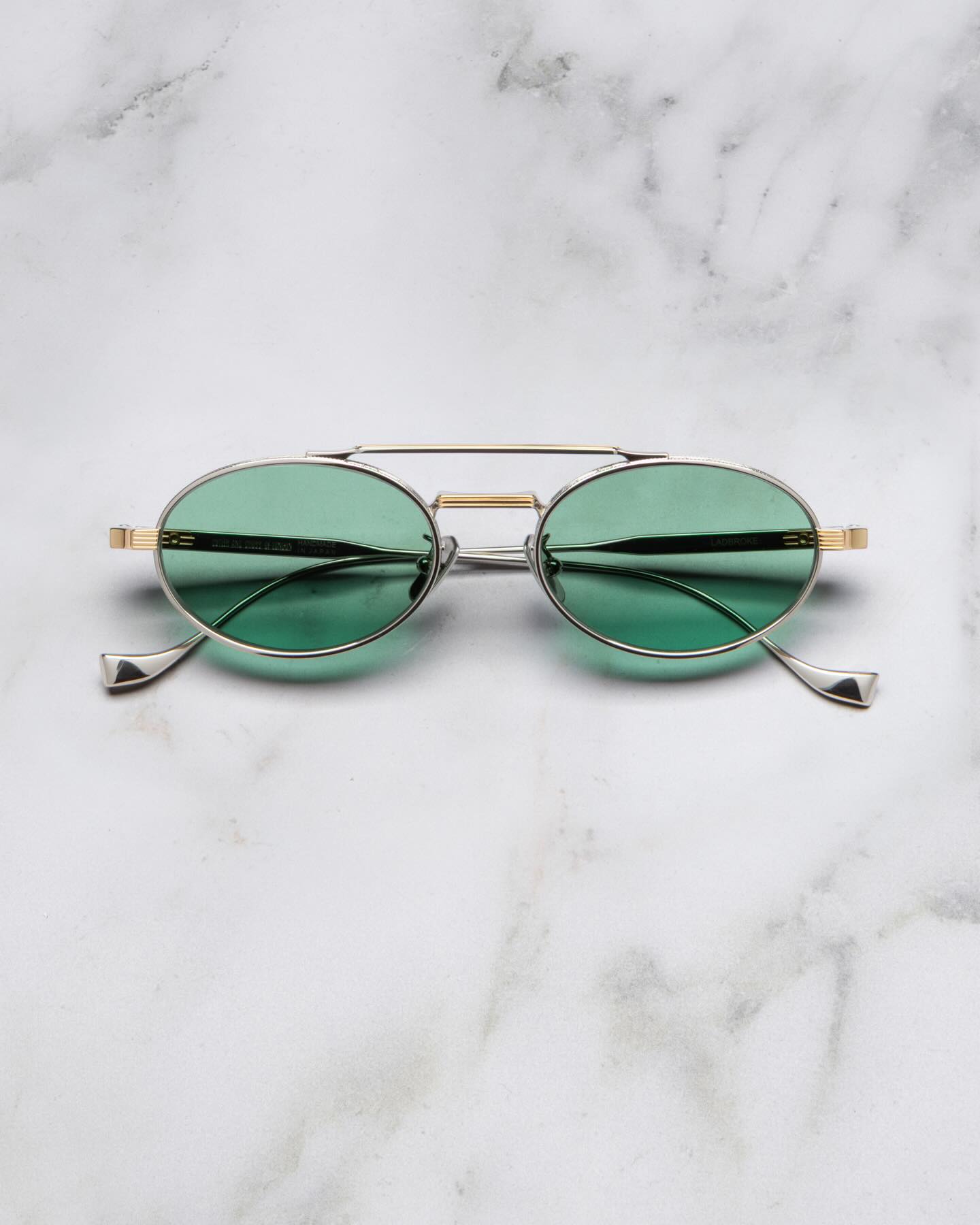
Cutler and Gross has been operating independently from London since 1969, which in itself says something. Over five decades the brand has combined hand-carved Italian acetate with Japanese titanium construction, maintaining material standards that have never been diluted by outside ownership.

Worth Exploring
Independent eyewear is not a new phenomenon, but the awareness around it is growing. If you are researching your next pair of sunglasses or optical frames, these brands are a genuinely worthwhile place to start.